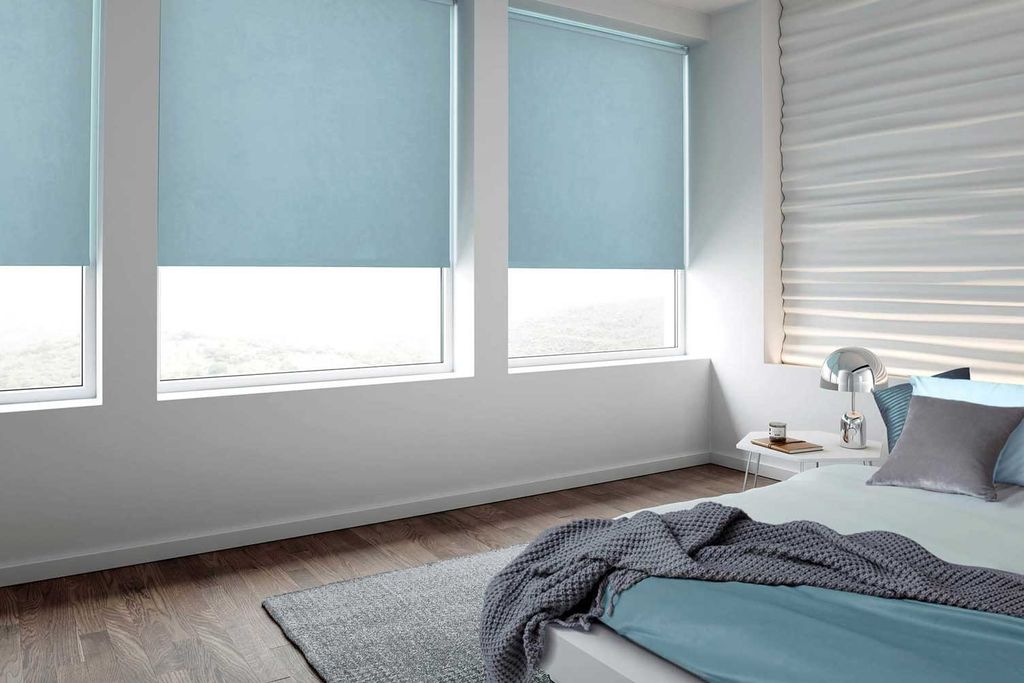
Blinds, made to measure in Dubai
We make blinds to the measurements taken at your own windows, and fit them: roller, roman, venetian, vertical, wooden, zebra and motorized.
There's no walk-in counter, so the range travels instead. Someone brings the fabrics and slat samples to your home or office on a free measuring visit, and you choose against your own walls and light. Nothing is cut or drilled before the measurements and the price are agreed.
Because we make what we fit, an alteration or a repair later comes back to the people who made it — along with cleaning and track fitting, including on curtains and blinds that came from somewhere else.
The range comes to you
Fabric books and slat samples arrive at your window on a free measuring visit, so you judge a colour against your own light.
Made to your measurements
Every blind is cut and made up to the opening it's for, rather than trimmed down from a stock width.
One company throughout
Measuring, manufacture, installation and track fitting — plus alterations, repairs and cleaning afterwards.
What a blind does that a curtain doesn't
Every blind we make is a custom blind, cut to the opening rather than picked off a shelf. A blind sits in or just above the opening and takes almost no space beside it. That matters more here than it sounds: a kitchen window over a run of worktop, a bathroom, an office where a desk is pushed against the glass, or a narrow reveal with no wall either side for a curtain to stack onto.
It also gives you a middle setting. Slatted blinds tilt, so you can angle the afternoon sun off the ceiling and keep the view, instead of choosing between open and shut. A roller is the opposite — one sheet, one decision, and the fabric decides everything from sheer to full blackout.
A curtain still wins where a room wants softening, where you're covering full-height tower glazing, and where the edges have to be sealed for darkness. Plenty of rooms here end up with both.
Book a free measuring visit
Tell us your area and roughly how many windows, and we'll bring the samples to you.
How the job runs
- A free measuring visit at your home or office. The samples come with it — there's no showroom to go to.
- Every opening measured at both ends. Villa reveals and older window frames are rarely square, and a blind cut to one end of a crooked opening leaves a wedge of light at the other.
- What's above the glass gets checked before anything else. A gypsum bulkhead needs a fixing that finds the framing behind it; concrete needs a different anchor again.
- The blinds are made to those measurements, then fitted by us.
- Alterations, repairs, cleaning and track fitting afterwards, including on curtains and blinds we didn't make.
- Nothing is drilled before the measurements and the price are agreed.
Blind styles we make
The main types, and what each is for
Roman blinds
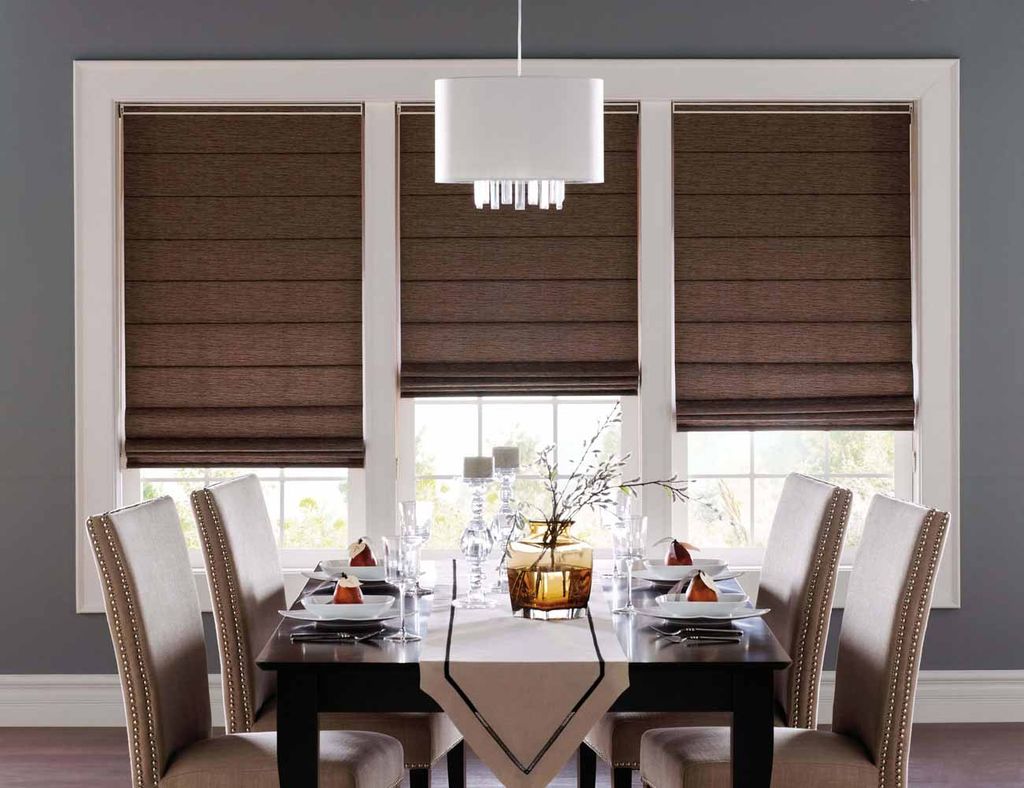
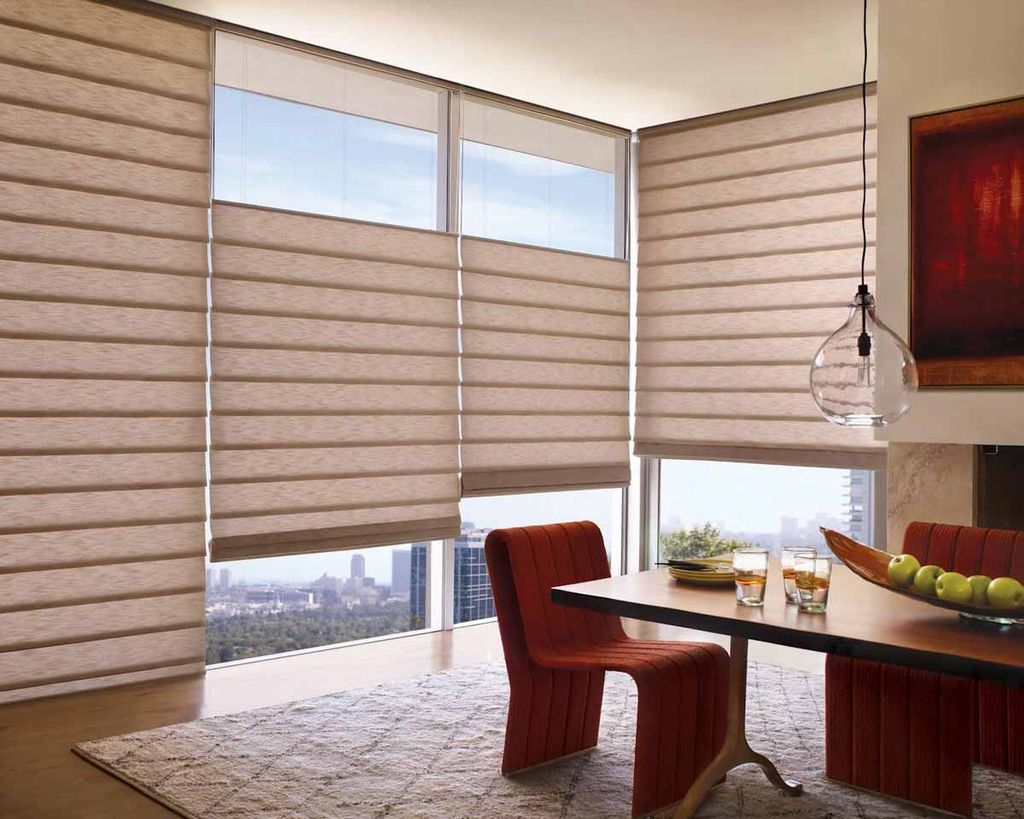
Fabric that folds up into flat horizontal pleats as it lifts. It reads like a curtain and works like a blind, which is why it turns up in living rooms and bedrooms where a roller would look too plain. Lined or unlined changes it completely — the same cloth can filter light or nearly stop it.
Roller blinds
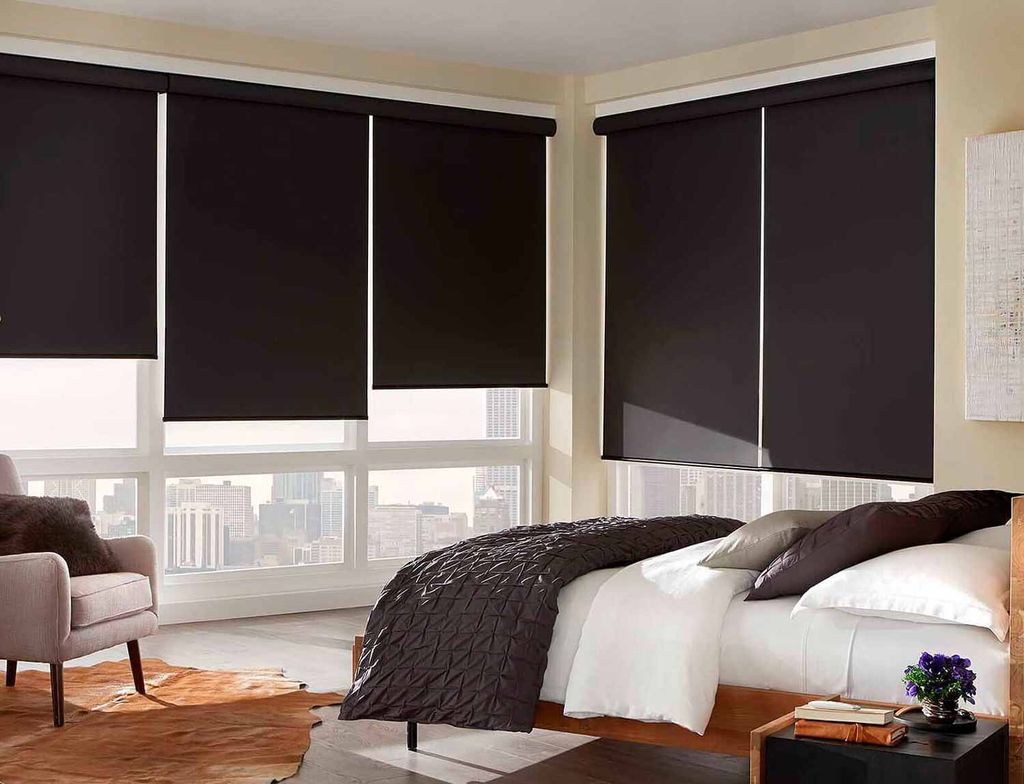
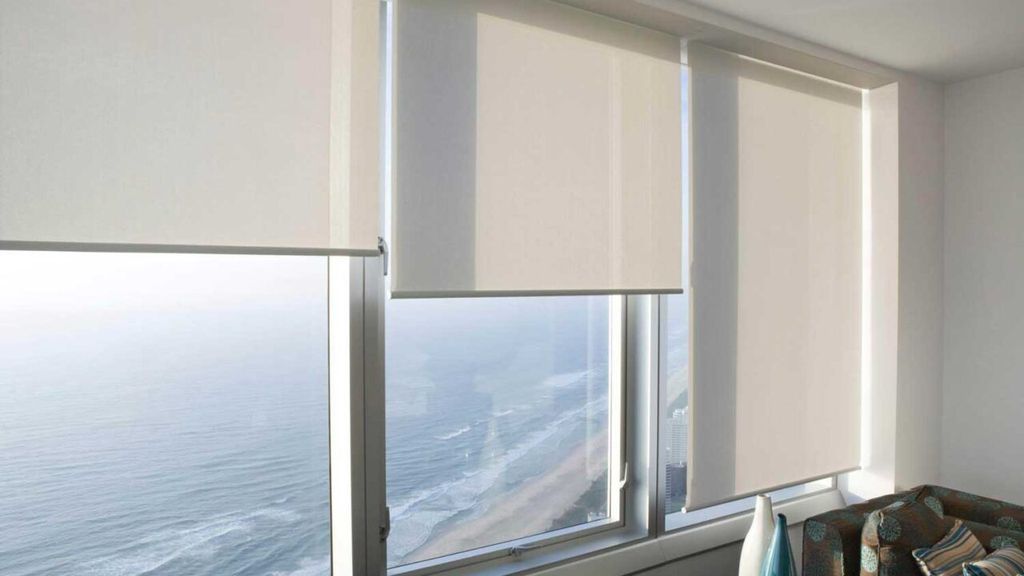
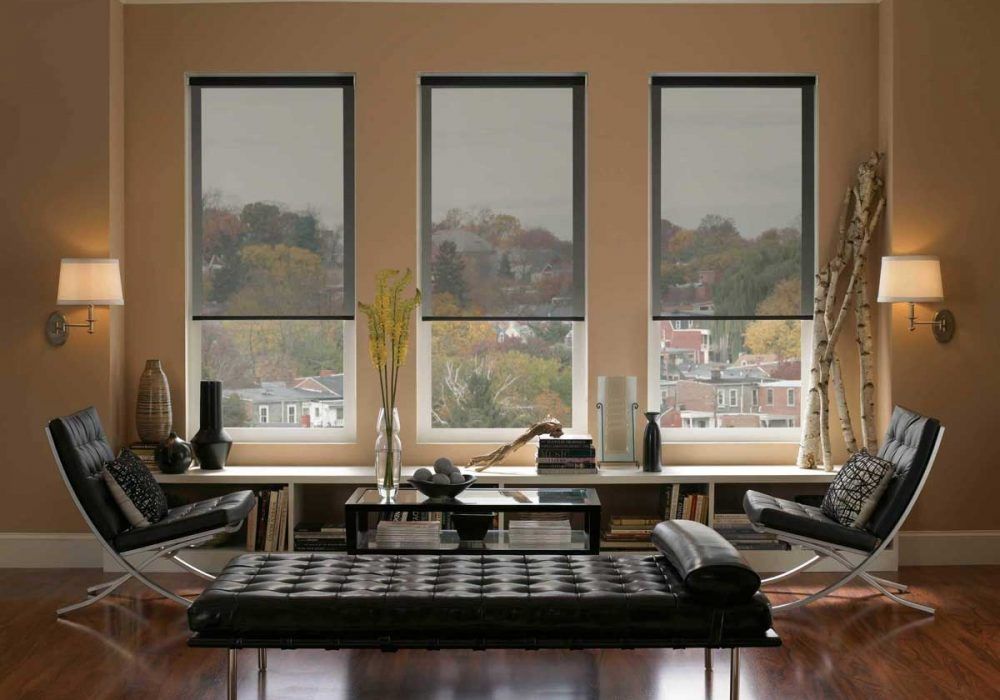
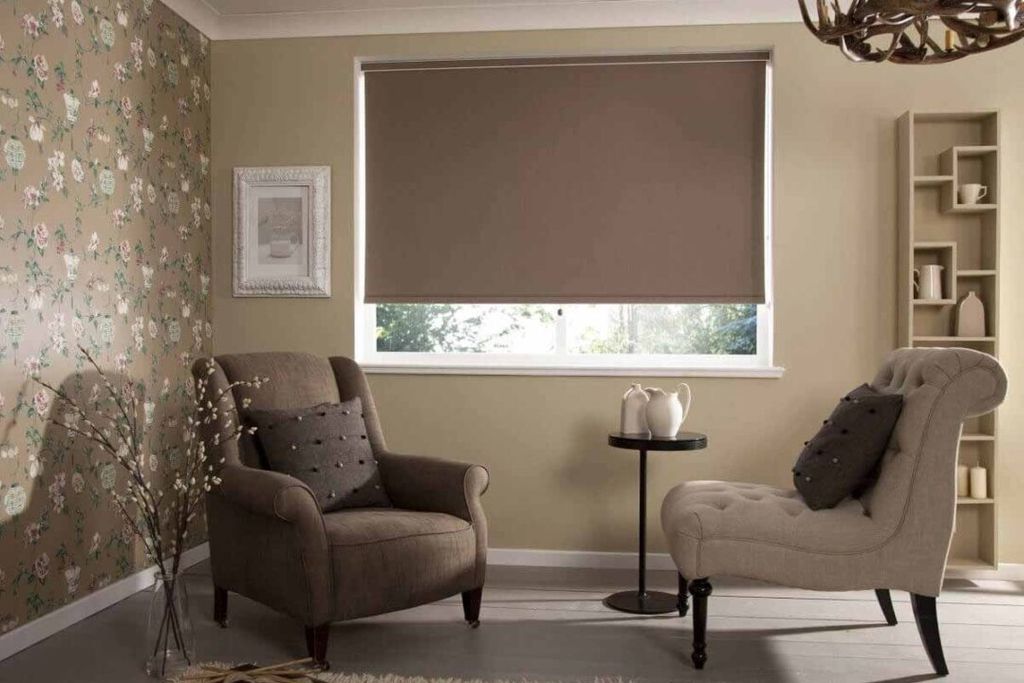
One sheet of fabric on a tube at the head. The simplest thing on the list and the easiest to keep clean, which is why kitchens and offices get them. The fabric does all the work: a sunscreen weave keeps the view and cuts glare, a dimout softens the room, a blackout stops light entirely.
Venetian and wooden blinds
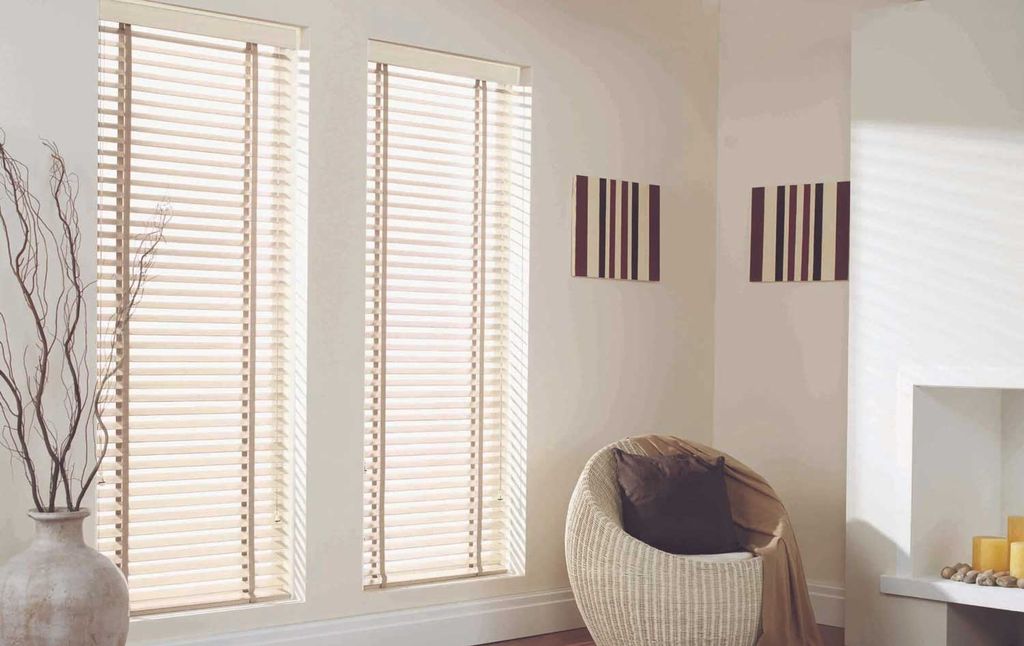
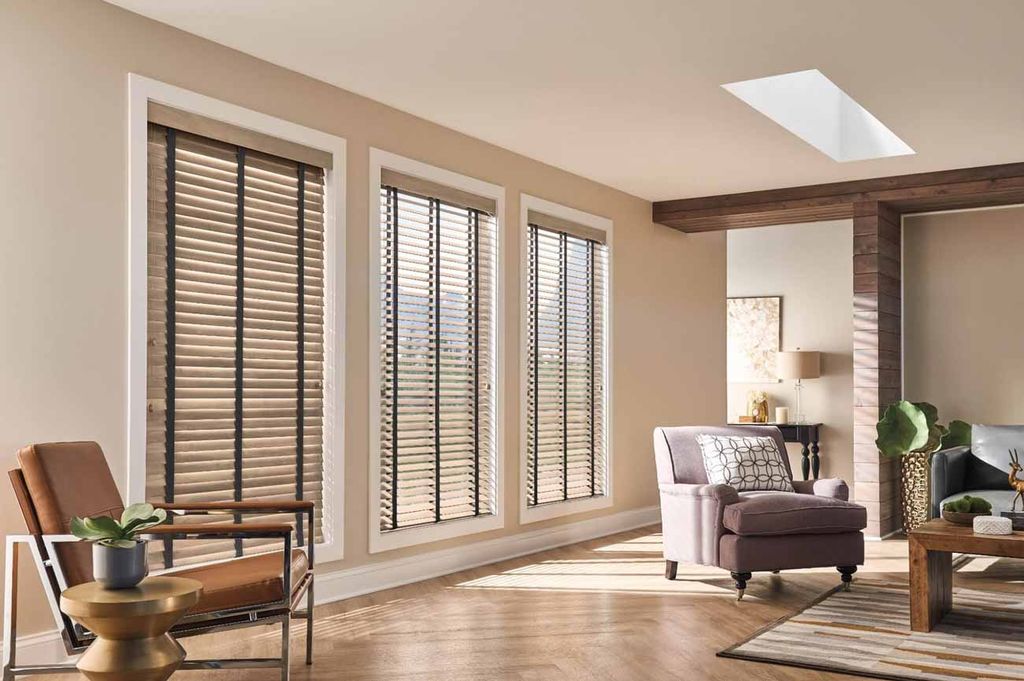
Horizontal slats that tilt. Aluminium takes heat and damp without complaint, so it ends up in kitchens and bathrooms. Real wood is warmer to look at and prefers rooms that stay dry — worth remembering before putting it in a bathroom.
Vertical blinds and panel blinds
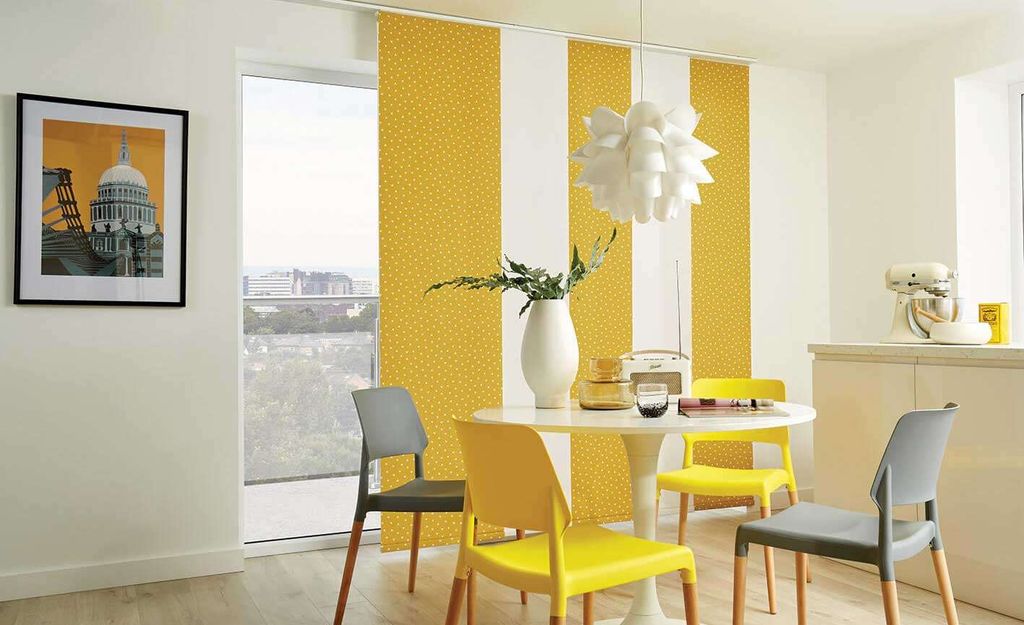
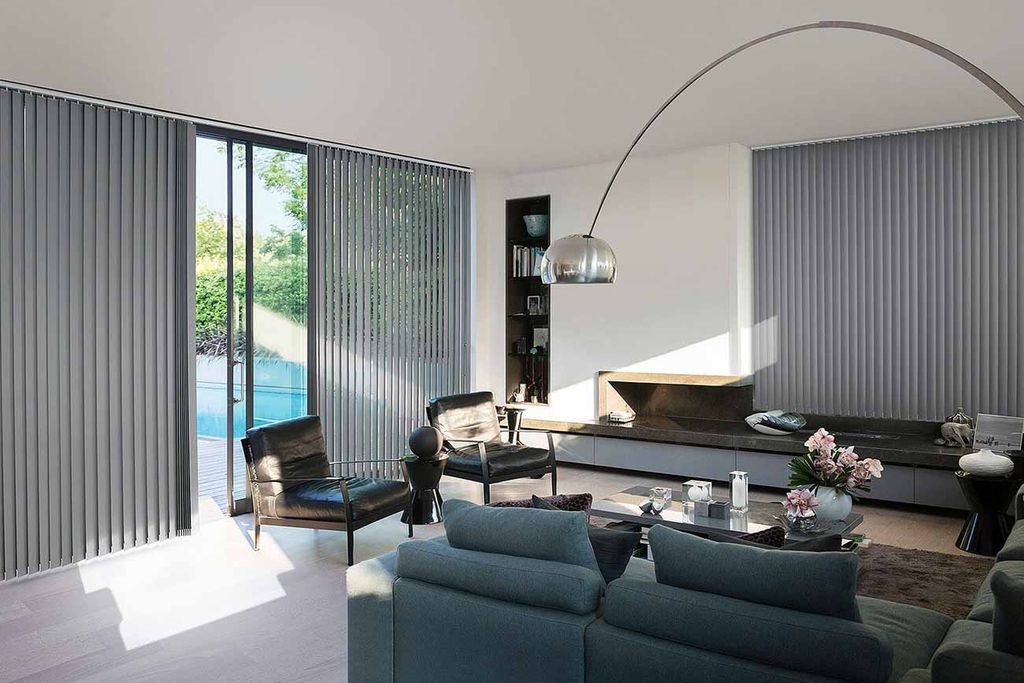
Hanging louvres that draw to one side and tilt on the spot. They're the practical answer to the two widest things in a Dubai home — a sliding balcony door and a run of floor-to-ceiling tower glazing — because they cover a long span without the weight of a curtain and let you walk through the middle of them.
Motorized blinds
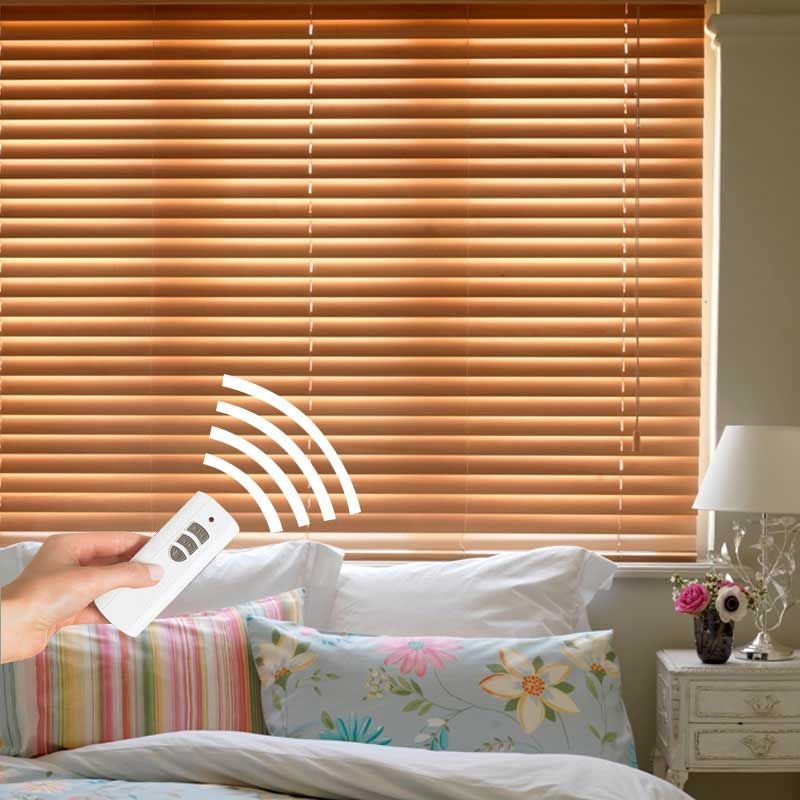
A motor in the tube, run from a remote or a wall switch. It earns its cost on high or unreachable windows, on wide runs where a chain is heavy work, and on a set of blinds you'd rather move together. Power has to be planned before installation, so raise it on the measuring visit rather than after.
Zebra and duplex blinds
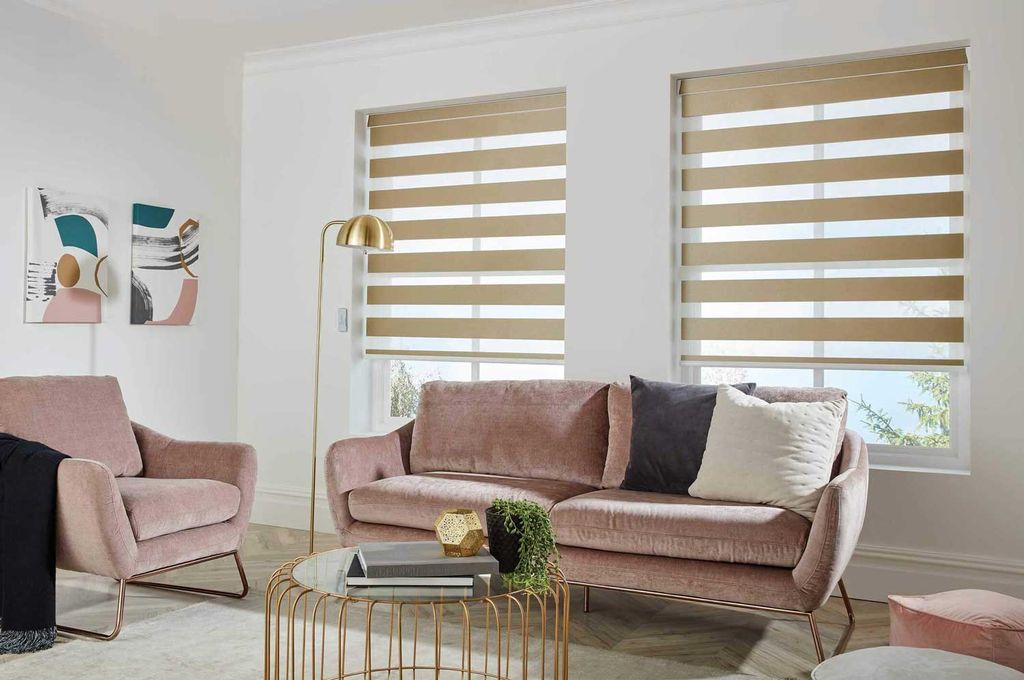
Two layers of banded fabric on one roller. Line the solid bands up and the window closes; offset them and light comes through the sheer bands instead. There's more on how that works on the duplex blinds page.
Bamboo blinds
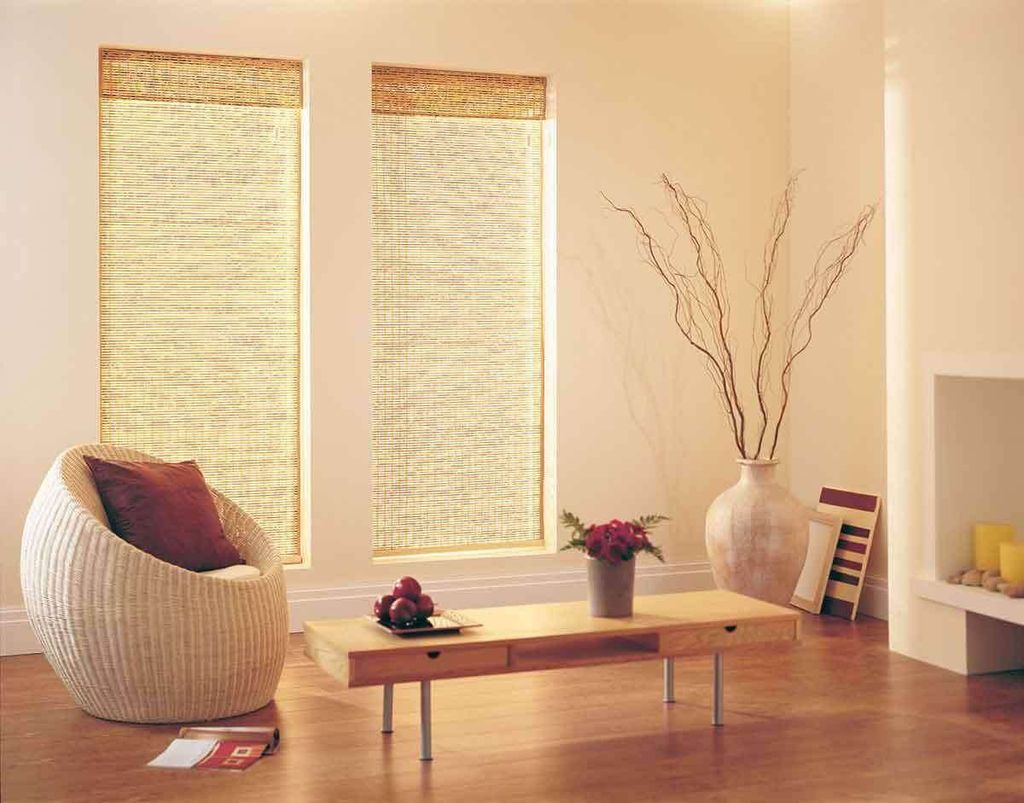
Split bamboo and reed, rolled rather than folded. They filter sun into a warm, broken light instead of blocking it, which is why they belong on a balcony or a shaded terrace more than a bedroom. The natural material is the point — no two blinds are quite the same colour.
Not sure which type suits the room?
Say which way the windows face and what the room is used for, and we'll work it out at the window with you.