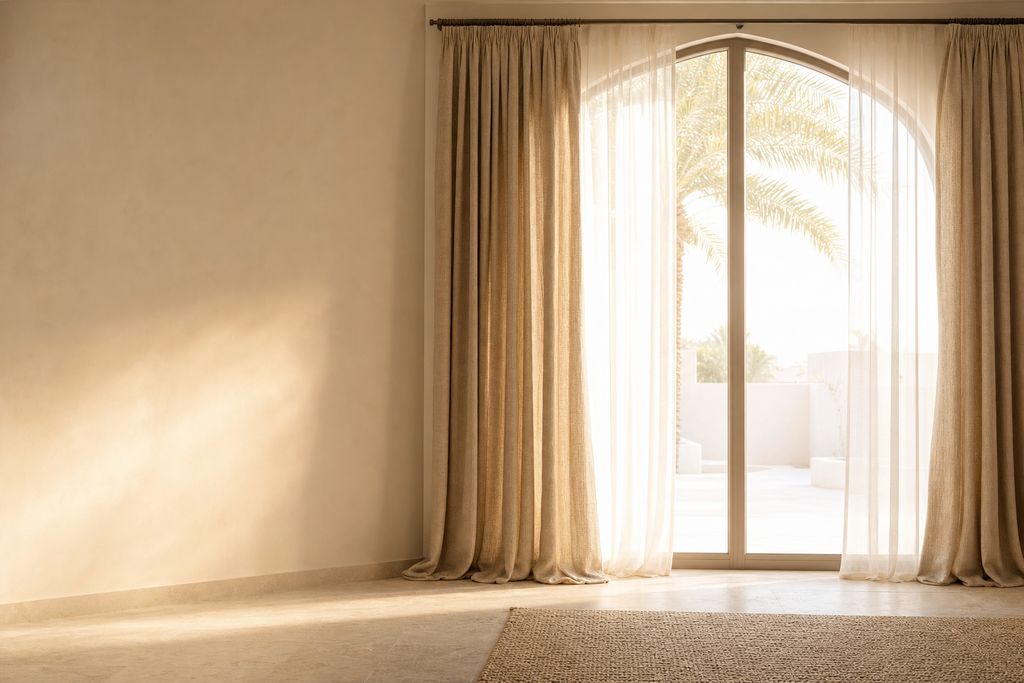
Linen curtains, made to measure in Dubai
Linen is spun from flax, and the yarn is uneven by nature. Those thick and thin runs — the slubs — are what give the cloth its texture, and they show most in daylight raking across the drop.
The weave is open, so linen filters light rather than stopping it. On its own it softens a room; where the room has to go dark, it gets a lining behind it or a second layer. We make it either way, and that decision is easier made at your own window than off a screen.
Free measuring visit
Someone brings the linen range to your home or office, so you can hold a colour against your own light before deciding.
Made, not resold
The curtains are cut and sewn by us, so an alteration or a repair later comes back to the people who made them.
Fitted and looked after
<a href="/curtains-accessories/">Track fitting</a> and installation, then alterations, repairs and cleaning afterwards — all from one company.
What linen does at a window
Linen hangs soft rather than sharp. It doesn't hold a knife-edge fold the way a tight synthetic does, and that loose fall is most of why people choose it.
It lets light through. In a living room facing away from the afternoon sun, that's the point — the room stays bright and the glare goes. On west-facing glass it isn't enough on its own, and there we'd either line it or hang a blackout behind it.
We cut it in pure linen and in linen blends. A blend creases less and holds a straighter drop; pure linen has more texture in it and moves more. Both come unbleached and dyed, and dyed colours sit quieter in linen than in a synthetic of the same shade, because the uneven yarn takes the dye unevenly.

Book a free measuring visit
Tell us your area and roughly how many windows, and we'll bring the linen range to you.
How linen behaves once it's up
Linen takes up moisture from the air, so a new drop settles a little in its first few weeks — a hem that was exact on installation day can sit lower by the end of the month. If it needs adjusting once it has settled, that's an alteration rather than a new pair.
It creases. That's the fabric, not a fault, and it's the main reason some people take a blend instead. Steaming on the track takes most of it out, and the folds settle further just by hanging.
Dust is the other Dubai fact. An open weave holds more of it than a tight one, so a linen pair wants cleaning more often than a lined blackout does. Taking curtains down, cleaning them and rehanging them is a job we do on its own, including on curtains that came from somewhere else.

Weight, colour and heading
Weight is the first decision. A light linen moves with the air-conditioning and reads almost like a sheer; a heavier one hangs still and holds a fold. Both are linen, and they behave nothing like each other at the window.
Colour comes next. Unbleached, stone and sand hold up better here than either extreme: strong afternoon sun flattens a bright shade, and dust shows on a dark one.
Then the heading. Linen suits a pinch pleat or a wave on a track, and it takes an eyelet heading on a pole. Where you want the texture without losing the view, a sheer in a linen-look weave does a similar thing with more light through it.
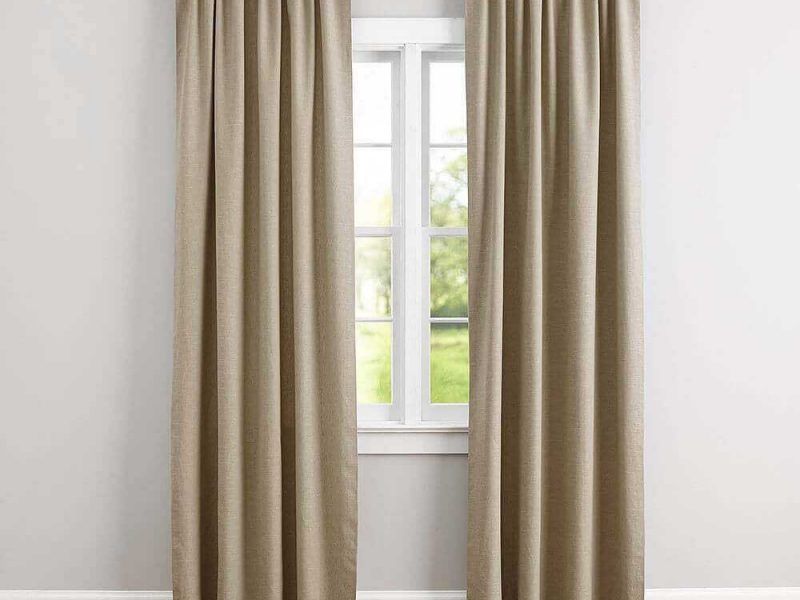
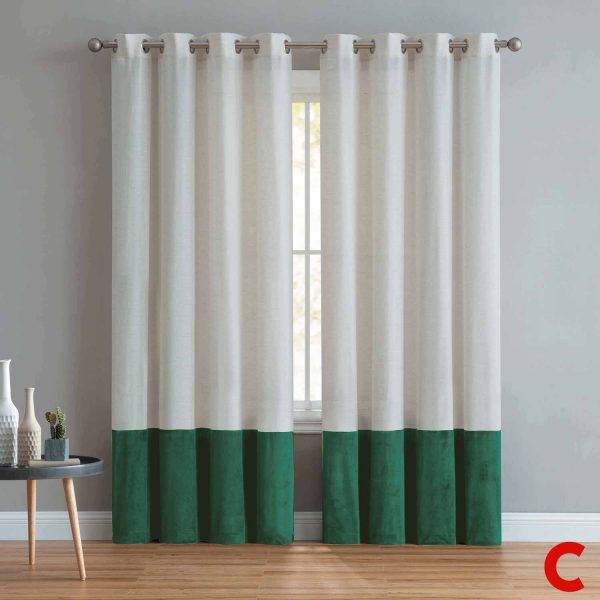
Linen curtains in different weights
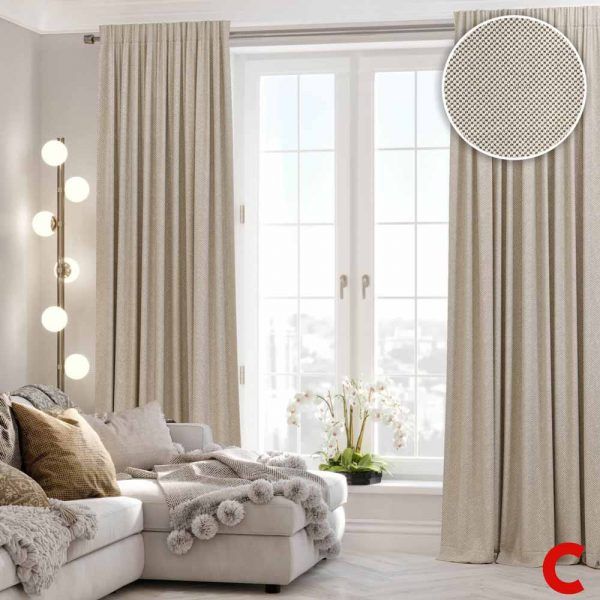



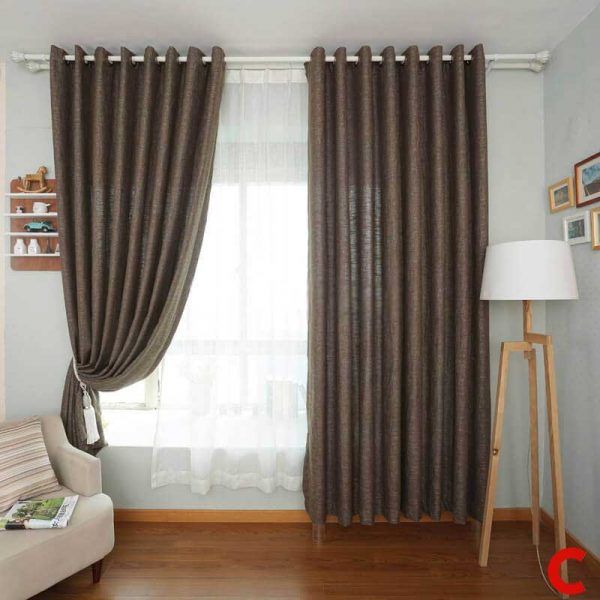

Where linen curtains work, and where they don't
Both sides of it, plainly:
- It suits living rooms, dining rooms and any window you want softened rather than shut off.
- It won't darken a room by itself. For a bedroom, that means a blackout lining behind it or a heavier curtain in front.
- It creases, and it settles in its first weeks. If that would bother you, a linen blend holds a flatter drop.
- It catches dust, so it wants cleaning more often than a tight weave.
- Direct sun weakens any natural fibre over time. A lining takes that instead of the linen.
None of that rules it out. It's a question of which of those things matters at the particular window, which is the conversation we have on the measuring visit.
Talk to us about your windows
Nothing gets cut or drilled before the measurements and the price are agreed. Call or WhatsApp to arrange a time.