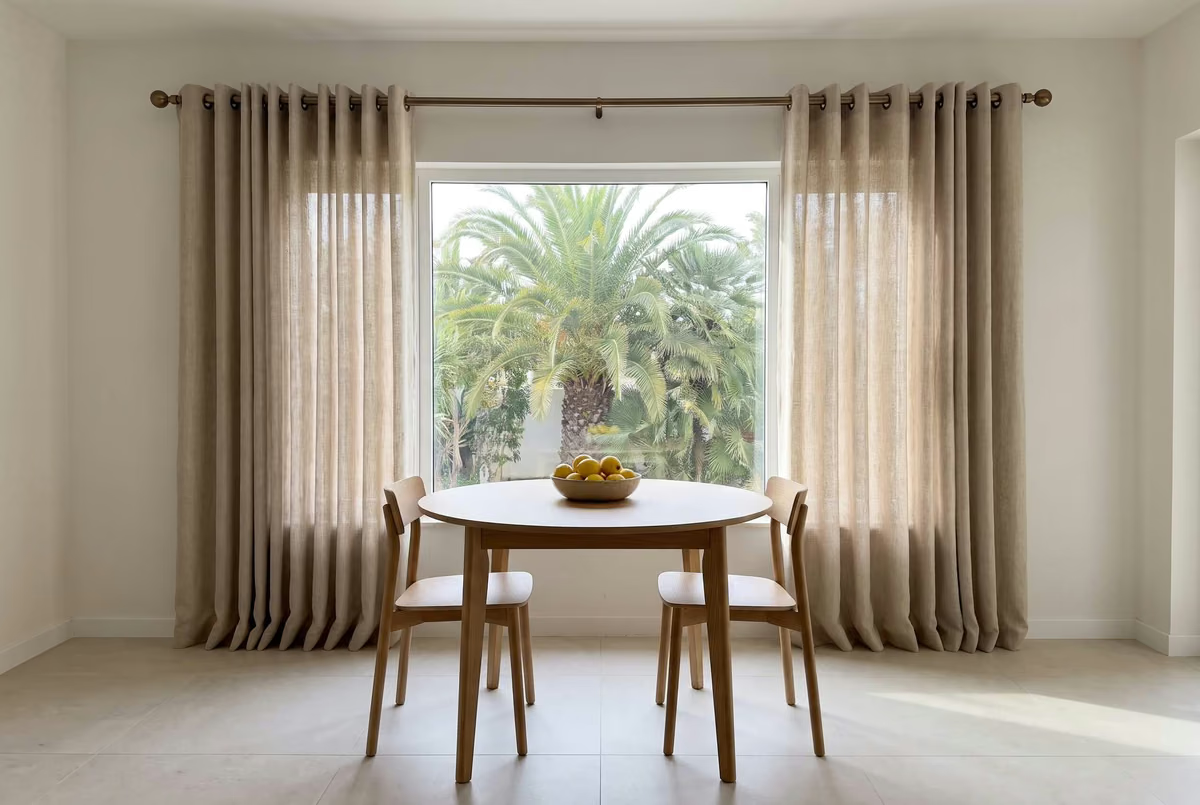
Eyelet curtains in Dubai, rings straight onto the pole
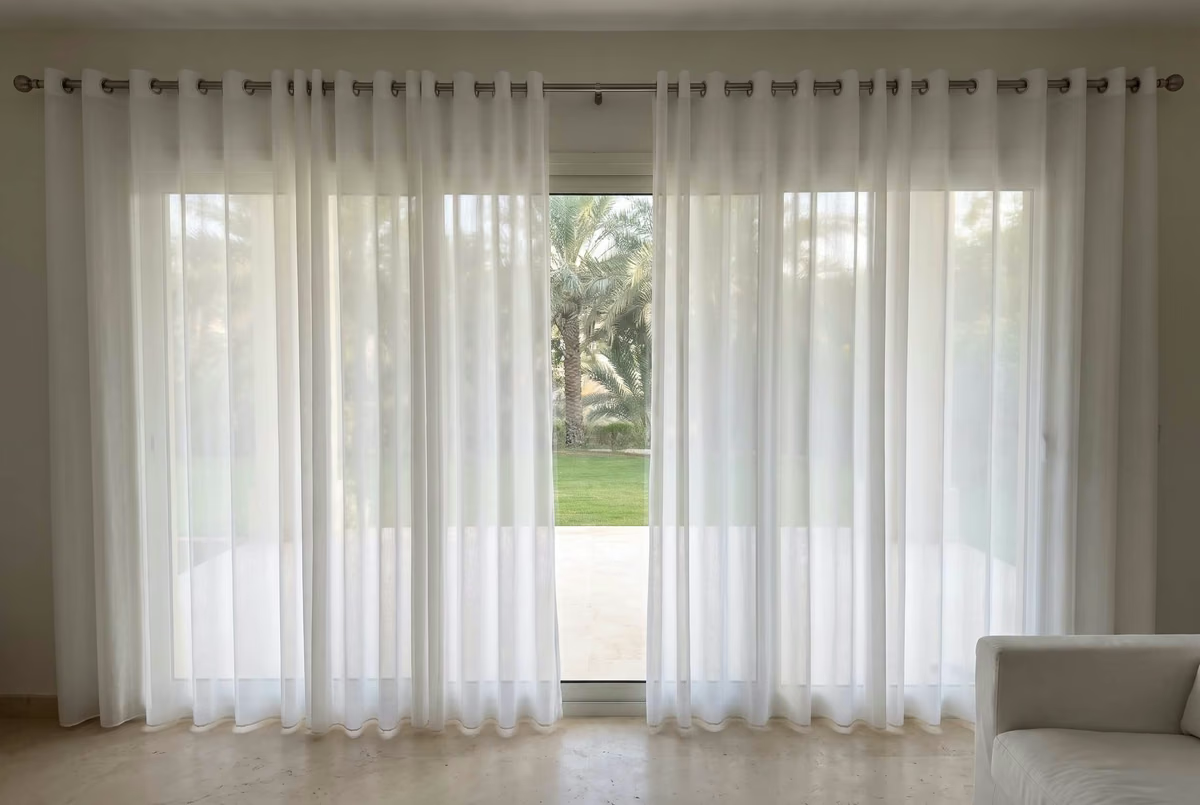
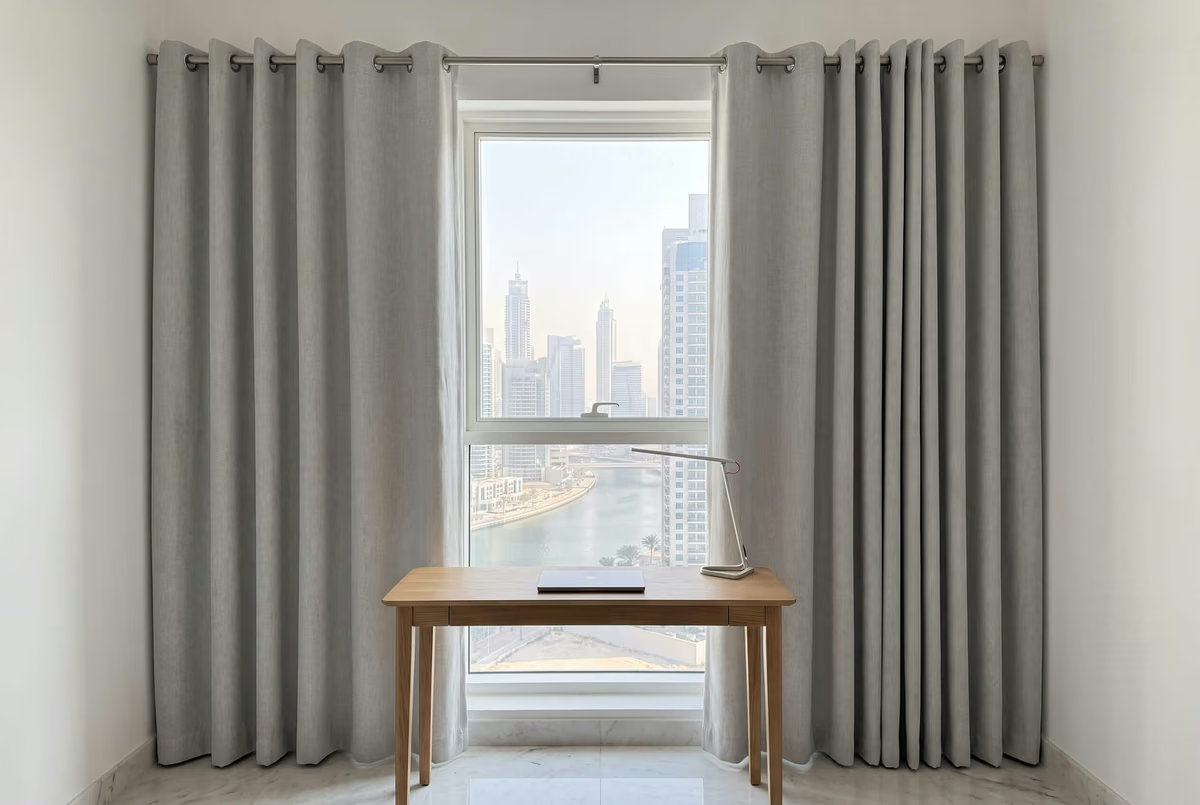
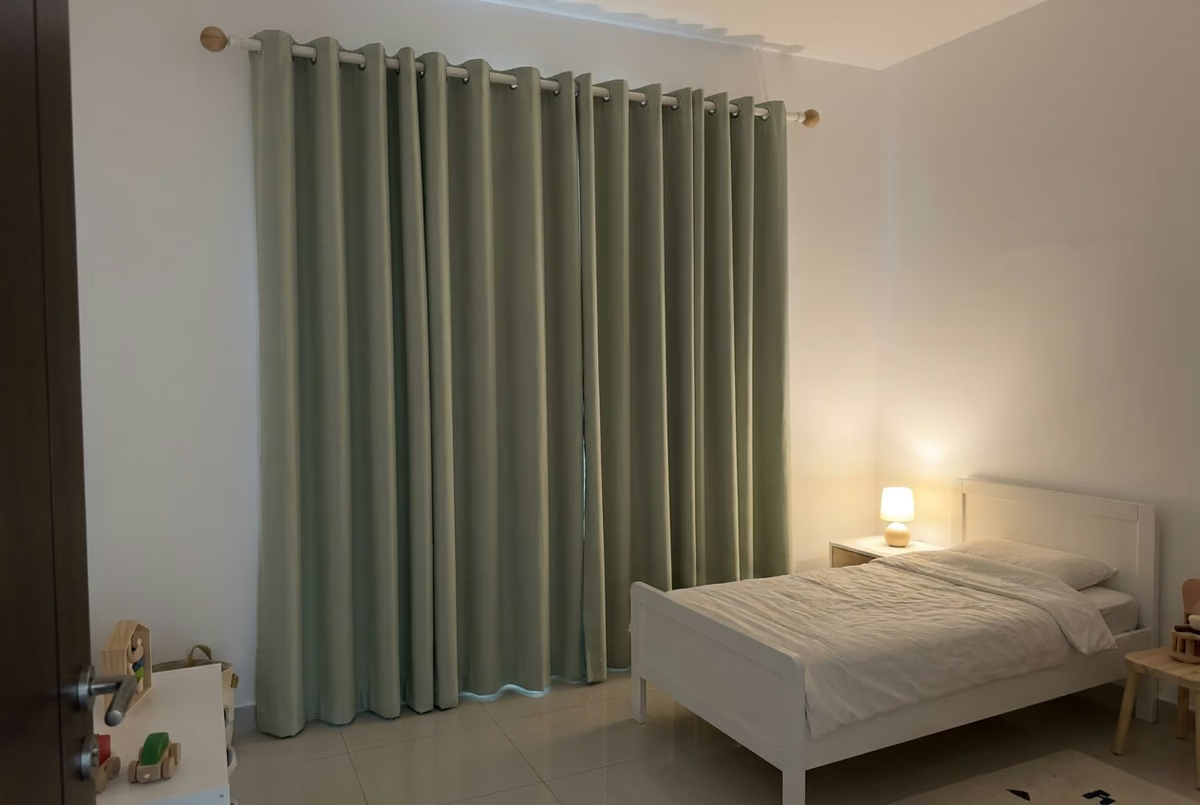
An eyelet curtain hangs from rings set into its top band, and the pole runs straight through them.
Ours are made to measure at 2.5× fullness, in blackout or sheer, so the folds run deep and even from the pole to the floor and the curtain draws with one hand.
AED 45 per m²
with a regular pole and the fitting included.

Curtains Express measures, makes and fits every eyelet pair, usually within about a week of your go-ahead, and every pair carries a two-year warranty on stitching and fitting.
Free measuring visit
There's no walk-in counter. Someone brings the fabric book to your home or office and measures the pole run at your window, so nothing is cut from a guessed number.
Pole and fitting included
The price per m² includes a regular pole and the fitting. A sheer and a blackout on one window share a double pole, and that is included too.
Two-year warranty
Usually fitted within about a week of your go-ahead, and covered for two years on stitching and fitting. We made it, so a repair later comes back to the same people.
Eyelet curtains, the short version
- An eyelet curtain hangs from rings set into a stiffened band along its top, and the pole runs straight through the rings, with no hooks or gliders.
- Curtains Express makes eyelet curtains to measure at 2.5× fullness, so every fold is deep and repeats evenly down the drop.
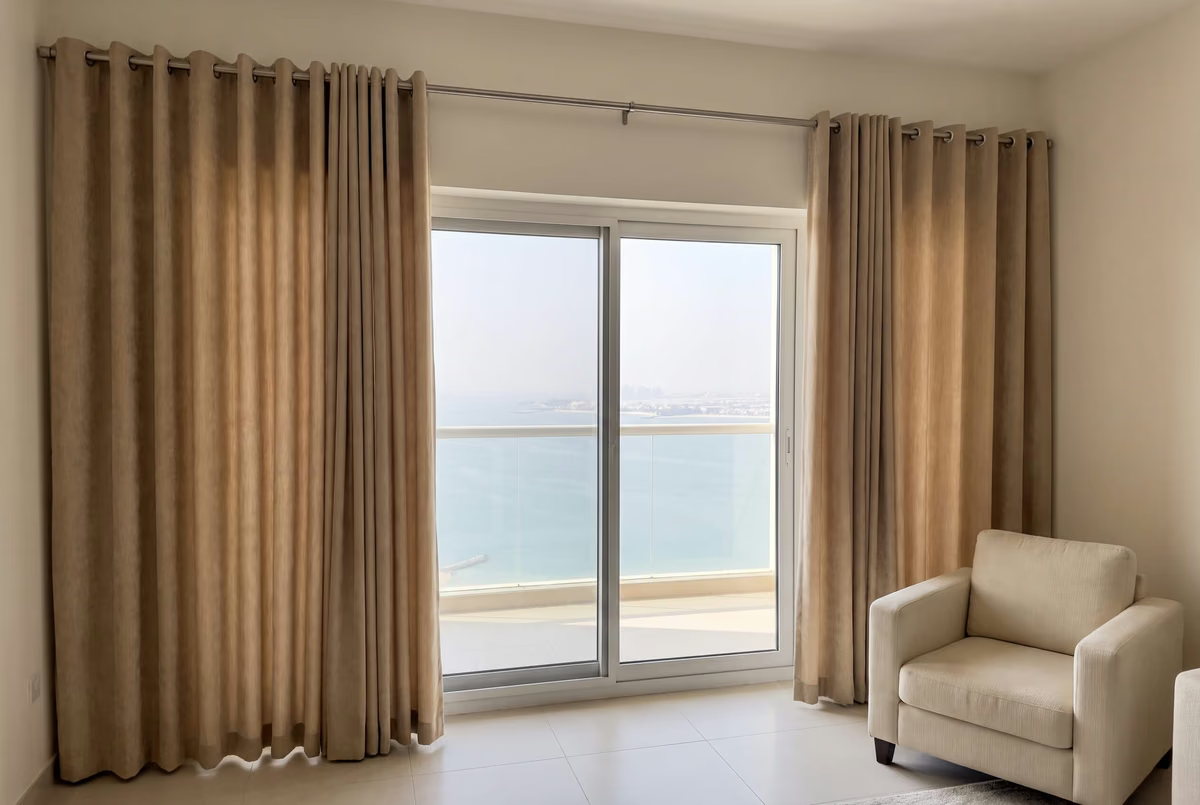
- An eyelet curtain needs a pole, not a track: on the wall above the window, fixed to the ceiling, or inside a curtain pocket.
- Eyelet curtains can be fully blackout, but light gets in over the pole, so a room that must go completely dark needs a blind behind the curtain or a ceiling track instead.
- Eyelet curtains can't be motorized. Ripple fold is the nearest look that runs on a motor.
- Eyelet curtains cost from AED 45 per m² in blackout and AED 35 per m² in sheer, with a regular pole and the fitting included, and are covered for two years on stitching and fitting.

What eyelet curtains cost in Dubai
Eyelet curtains start at AED 45 per m² in blackout and AED 35 per m² in sheer, and both prices include a regular pole and the fitting. The blackout is a standard face fabric with our four-pass silicone blackout lining sewn behind it.
An eyelet is gathered to 2.5 times the width of the pole, so a 200 × 300 cm window takes 15 m² of cloth. That is AED 675 in blackout, or AED 1,200 with a sheer behind it on a double pole.
Price your window
- Fabric
- 200 cm × 2.5 (fullness) × 300 cm = 15 m²
- Blackout
- 15 m² × AED 45 = AED 675
- 0 m² × AED 0 = AED 0
AED 675
Regular pole and fitting included; a sheer and blackout pair shares one double pole. An upgraded pole is extra, and the final figure follows the free measuring visit.
What moves the figure:
- Face fabric
- A plain weave costs less than a linen, a velvet or a designer range.
- Blackout or sheer
- Blackout carries the four-pass lining and starts at AED 45 per m². A sheer is a single light layer and starts at AED 35.
- Fullness
- An eyelet takes 2.5 times the pole's width in cloth, where a pinch pleat takes twice, so at the same rate an eyelet window costs about a quarter more.
- An upgraded pole
- The regular pole is in the price. An upgraded pole costs extra.
We can also re-head curtains you already own into eyelets. Send a photo and the sizes for a price.
Measuring is free. Send rough sizes on WhatsApp for a first figure, and nothing is cut before you have seen the final one.
Eyelet, pinch pleat or ripple fold?
The heading is how the top of a curtain is made and hung. Here is how an eyelet compares with the two headings that run on a track.
| Eyelet | Pinch pleat | Ripple fold | |
|---|---|---|---|
| Hangs from | Rings on a pole | Hooks on a track | Gliders on a track |
| Fullness | 2.5× | 2× | 2.5× |
| Cloth for a 200 × 300 cm window | 15 m² | 12 m² | 15 m² |
| What shows above it | The pole and rings | The track, unless it's in a pocket | The track, unless it's in a pocket |
| Light over the top | A line over the pole | Little from a ceiling track | Little from a ceiling track |
| Can be motorized | No | Yes | Yes |
| The folds | Deep, round, even | Tailored pleats | Soft, even waves |
All three are made at the same rate per m². The fullness decides how many square metres a window takes, which is why an eyelet or ripple fold pair costs more than a pinch pleat at the same size.
Where the pole goes in a Dubai room
An eyelet needs a pole, and what is above the glass decides where it can go. That gets settled at the measuring visit, not on fitting day.
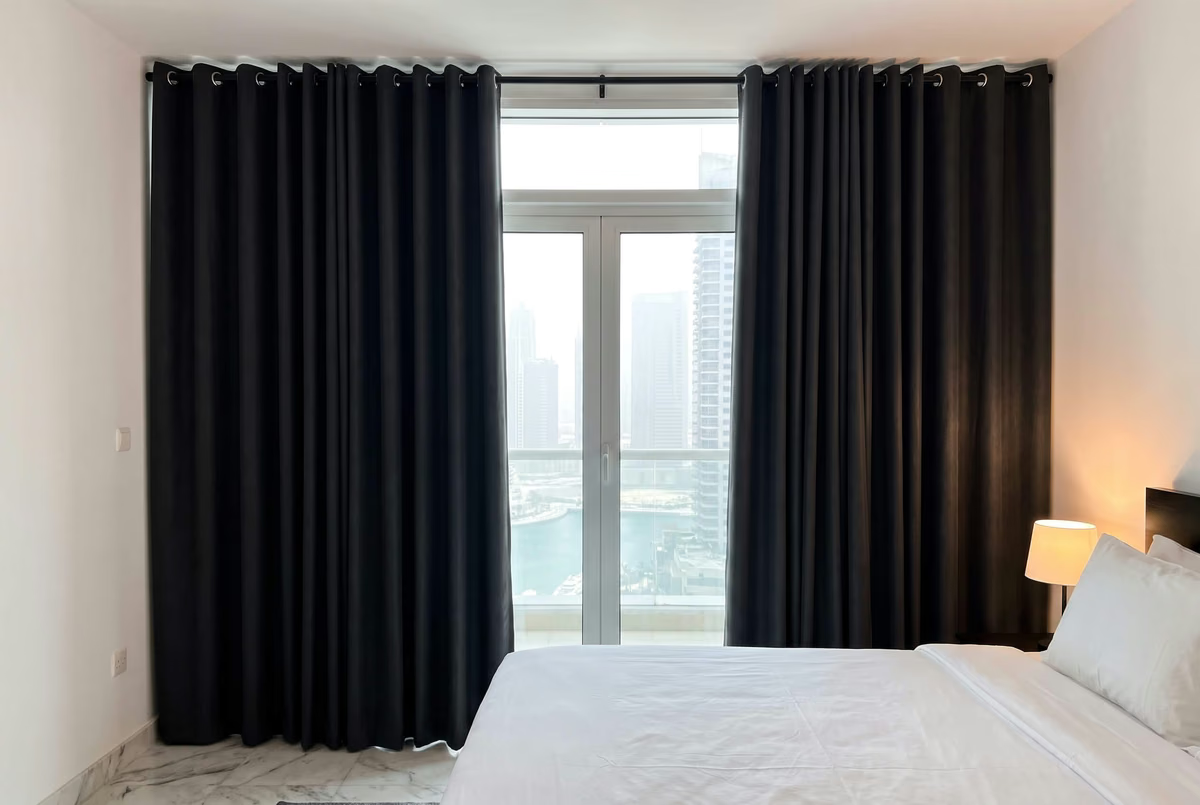
Blackout eyelet curtains, and the light over the pole
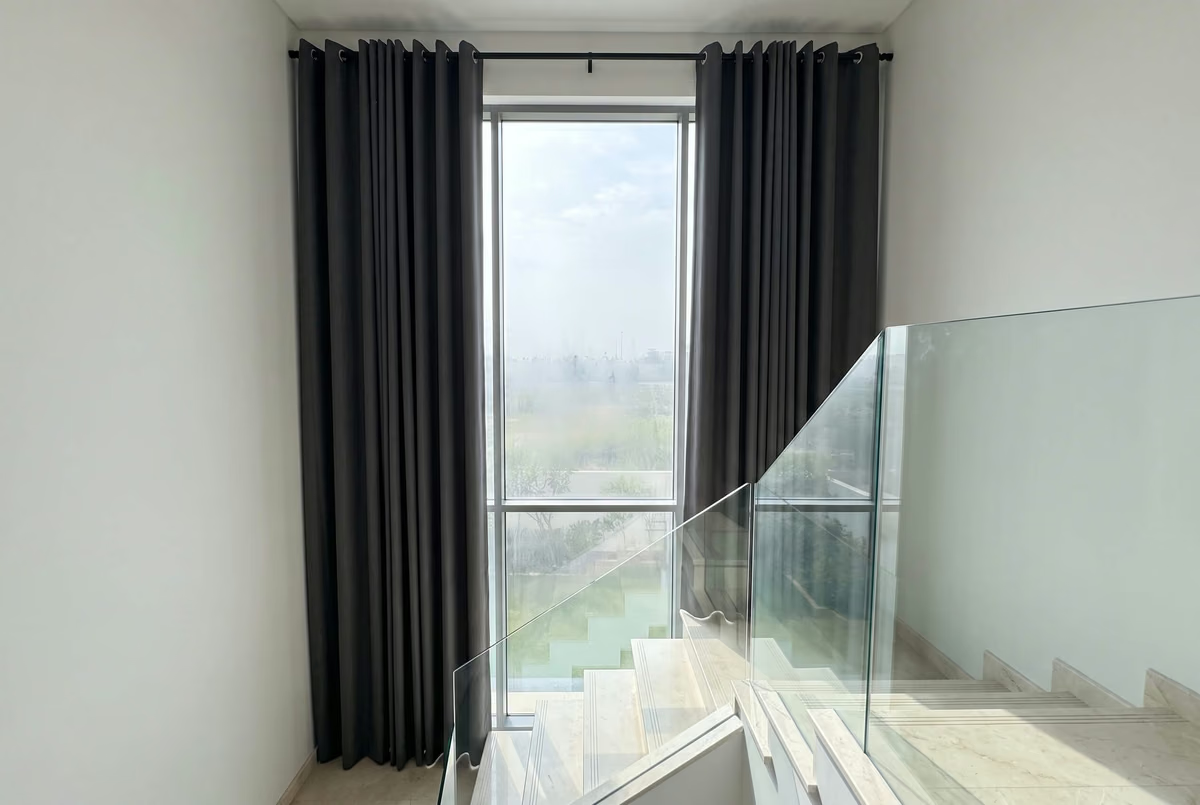
An eyelet curtain can be fully blackout. We sew the same four-pass silicone lining behind the face fabric as on our blackout curtains, and no light comes through the cloth.
Light still gets in around it. The curtain hangs below the pole and the band rises over it, so a thin line of light shows along the top on a sunny morning.
A pole close under the ceiling, or inside a curtain pocket, makes the line smaller. For a room that has to be properly dark, like a bedroom facing the morning sun or a room someone sleeps in by day, a blackout blind behind the curtain closes it.
The rings and the pole
Our eyelet rings are plastic, finished in silver, matte black, or gold and antique brass. Plastic doesn't rust, which counts in a flat by the sea, and it runs quietly along a metal pole. After years of use the finish can wear where a ring rides the pole.
The regular pole in the price is metal, in silver, matte black, gold or white, on wall or ceiling brackets. A sheer and a blackout on one window hang on a double pole, also included. An upgraded pole costs extra.
Each curtain takes an even number of rings, so both its edges turn back towards the wall.
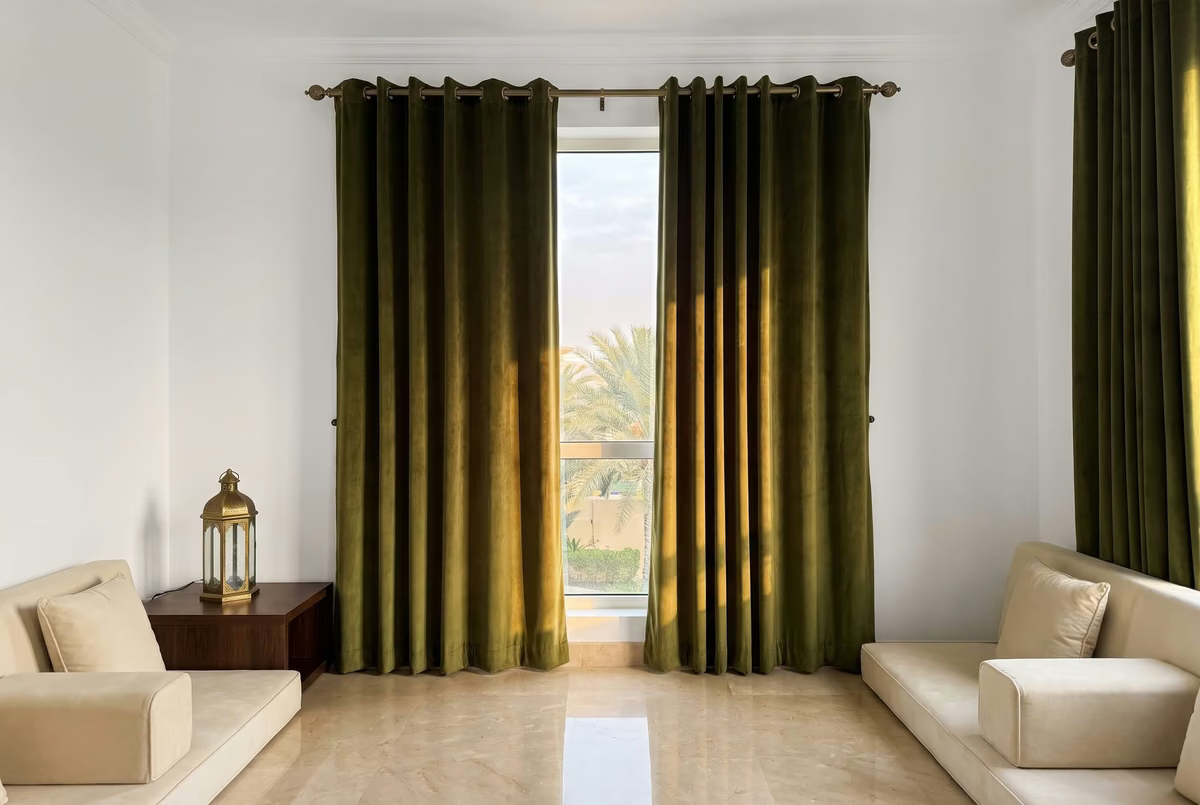
Fabrics that hang well on eyelets
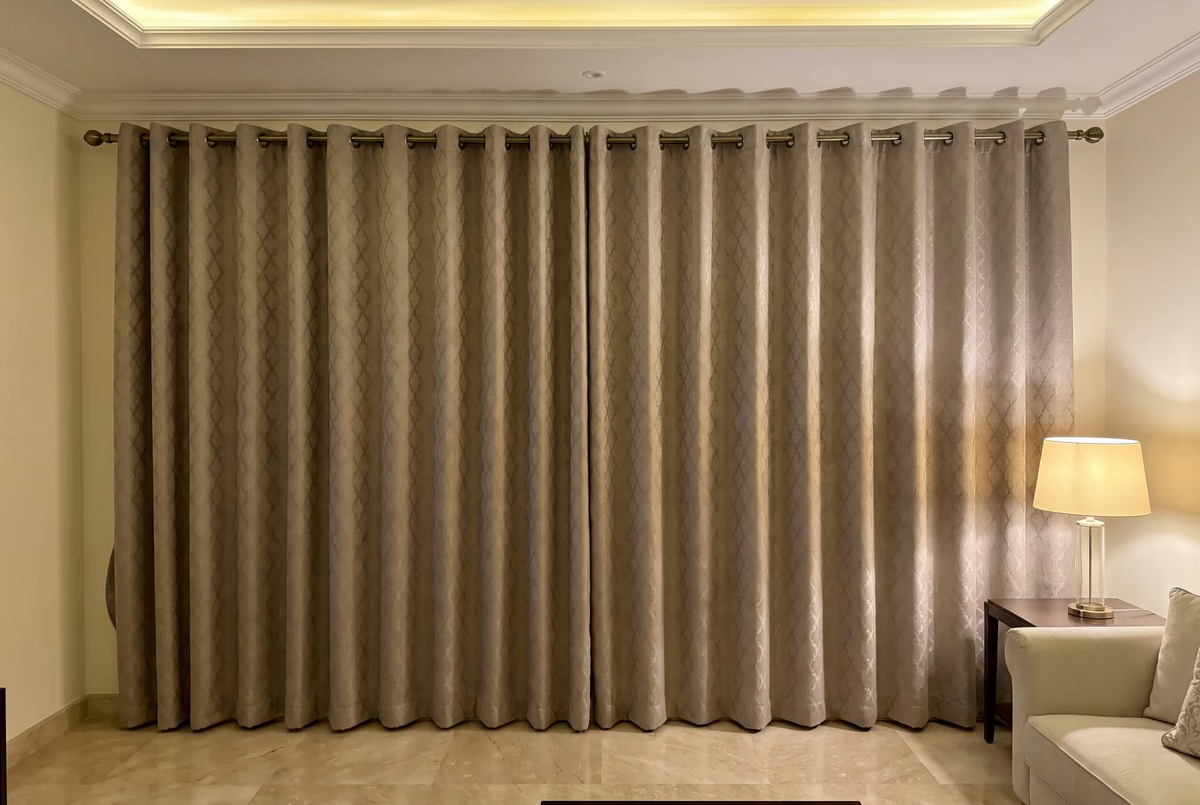
With no tape behind it, an eyelet fold is formed by the cloth itself, so the fabric needs some body.
Blackout
A face fabric with our four-pass lining behind it. The lining adds weight, so the folds hold their shape down a tall drop.
Sheer
Soft daylight and privacy by day, not at night. On its own or behind a blackout on a double pole; see our sheer curtains.
Linen and cotton
Velvet
The heaviest and deepest in colour. It drops into the fullest folds, and a wide window wants a centre bracket to carry it.
Book a free measuring visit
Tell us which rooms, roughly how wide the glass is, and what is above it: wall, ceiling or a curtain pocket. Someone brings the fabric book to you, anywhere in Dubai.
Eyelet curtains in towers and villas
What people ask about eyelet curtains
How much do eyelet curtains cost in Dubai?
Ours start at AED 45 per m² in blackout and AED 35 per m² in sheer, with a regular pole and the fitting included. An eyelet is gathered to 2.5 times the pole's width, so a 200 × 300 cm window takes 15 m² of cloth: AED 675 in blackout, or AED 1,200 for a sheer and blackout pair on a double pole.
An upgraded pole is extra. Measuring is free, and the final figure follows the visit.
What are curtains with eyelets called?
Eyelet curtains, grommet curtains and ring top curtains are the same thing under three names. Grommet is the American word; eyelet is the one used here.
What are the downsides of eyelet curtains?
Three that matter: the pole is always on show, a thin line of light gets in over it, and they can't be motorized. They also take more cloth than a pinch pleat, 2.5 times the pole's width against twice.
If any of those rule it out for the room, a pinch pleat or ripple fold on a track is the better heading.
Do eyelet curtains look cheap or dated?
No, not made to measure in a fabric with some body. What looks cheap is a thin ready-made panel, too short and too narrow, hanging flat between its rings. Gathered to 2.5×, finished about 1 cm clear of the floor, with rings that match the pole, an eyelet pair looks deliberate.
If you want the same soft folds with no pole in sight, that is ripple fold.
Can eyelet curtains be blackout?
Yes. We sew our four-pass silicone blackout lining behind the face fabric, so no light comes through the cloth. Some light still gets in over the pole, because the curtain hangs below it. A pole close under the ceiling or in a curtain pocket makes that smaller, and a blackout blind behind the curtain stops it.
Can eyelet curtains be motorized?
No. A curtain motor drives gliders inside a track, and eyelet rings slide along a pole, so there is nothing for it to pull. Ripple fold is the nearest look that runs on a motor; our motorized curtains use it.
Can eyelet curtains go in a curtain pocket?
Yes. We fix the pole to the ceiling inside the pocket, so an apartment with a pocket can still have eyelets, as long as the pocket is deep enough for the folds to move. Where there is no pocket, the pole goes on the wall above the window or on the ceiling.
How wide should eyelet curtains be?
2.5 times the length of the pole, split between the two curtains of a pair. The pole itself runs 15 to 20 cm past the glass on each side, so the open curtains stack on the wall rather than over the window. A pair on a 3 m pole takes 7.5 m of cloth across.
Do eyelet curtain rings rust?
Ours don't. The rings are plastic, finished in silver, matte black, or gold and antique brass, so the humid months and the sea air leave them alone. After years of use the finish can wear where a ring rides the pole.
Ready-made or made-to-measure eyelet curtains?
For a small window in a standard size, a ready-made eyelet panel from a homeware store is the cheaper answer, and a good one. Made to measure is worth it when the curtain runs floor to ceiling, the glass is wider than two panels cover, you want a blackout lining sewn in, or the pole has to go in a curtain pocket. Our price includes the pole and the fitting.
Can you add eyelets to my existing curtains?
Yes. We re-head curtains you already own into eyelets; send a photo and the sizes on WhatsApp for a price. It doesn't work the other way: we don't convert eyelet curtains into pinch pleat or ripple fold.
How long does it take, and is there a warranty?
Usually about a week from your go-ahead to a fitted pair. Every pair carries a two-year warranty on stitching and fitting, and because we made it, a repair or an alteration later comes back to us.
Get a price for your window
Send the room, the rough width and what is above the glass, and we will tell you where the pole can go and what the pair will cost.