
Motorized blinds, made to measure in Dubai
A motorized blind is an ordinary blind with a tube motor inside the roller or the headrail, so it raises and lowers from a handset, a wall switch or a phone instead of a chain.
The reason to have one is usually practical rather than novel: glass that can't be reached from the floor, a stairwell or a double-height window, a run of blinds along one wall that you'd otherwise set one at a time, or a room where you'd rather not have a chain hanging within reach of a small child.
Battery or wired
A battery motor needs no cable and suits a room that's already finished. A wired motor runs off a spur near the head of the window, so it wants deciding before the wall closes up.
Somfy and Dooya motors
The blind is made to your measurements. The motor inside it is a Somfy or a Dooya unit, fitted and set up by the same people who install the blind.
Free measuring visit
Someone comes out, measures each window, and works out what the headrail can fix to and where its power comes from before anything is ordered.
What the motor needs before it goes in
Two things get settled at the window rather than afterwards. The first is power. A battery motor is recharged from a lead every few months and needs no cable run, which is why it's usually the answer in a flat that's already lived in. A wired motor takes its power from a fused spur near the head of the window — nothing to recharge, but it wants planning while the bulkhead or the wall is still open.
The second is the fixing. Towers here nearly always have a gypsum bulkhead above the glass, and a motorized headrail is heavier than a manual one, so the bracket has to find the framing behind the board or reach the concrete above it. Get that wrong and the weight finds the fault within a year.
Width matters too. A motor sets a minimum tube size, so a very wide window sometimes comes back as two blinds on one line rather than one long one.

Handset, wall switch or phone
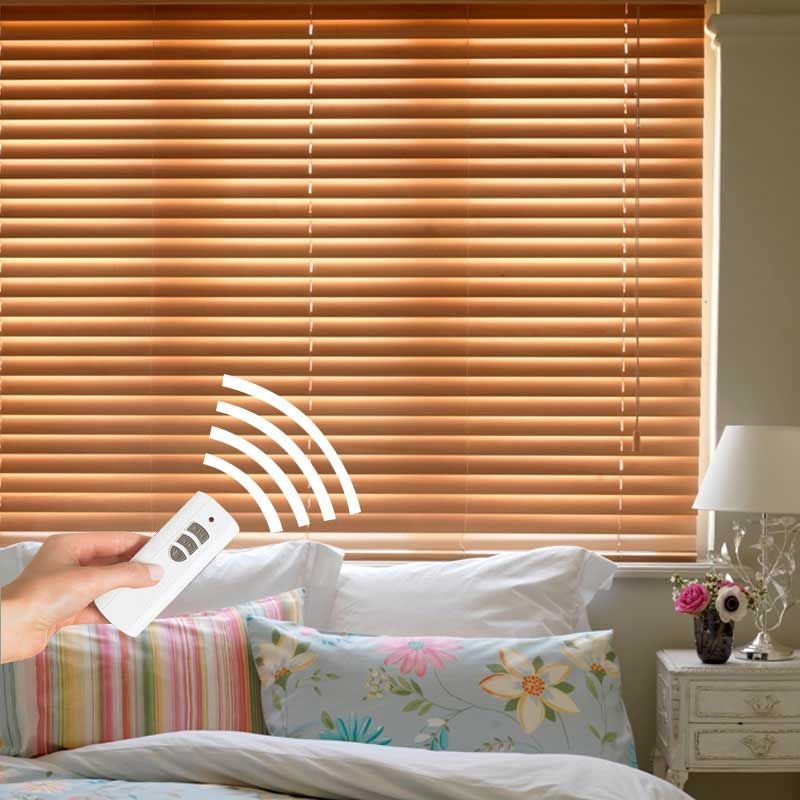
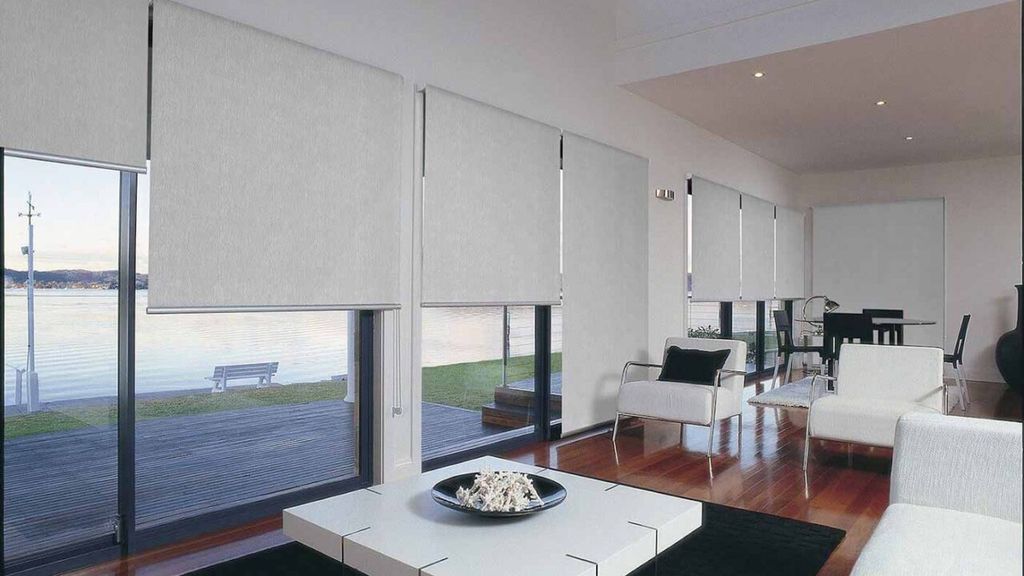
Most installations run from a handset. One channel can hold a single blind or a whole group, so five blinds along a living-room wall move together on one button instead of five.
A wall switch suits a room where a handset would go missing — an office, a meeting room, a stairwell — and it stays where the light switches are, which is where people look for it.
Phone control needs a bridge on your wi-fi. Once that's there the blinds can run to a timer, and that's worth more here than it sounds: setting the west-facing side of a flat to close in the middle of the afternoon takes the worst of the sun off the floor and the furniture before anyone is home to notice it.
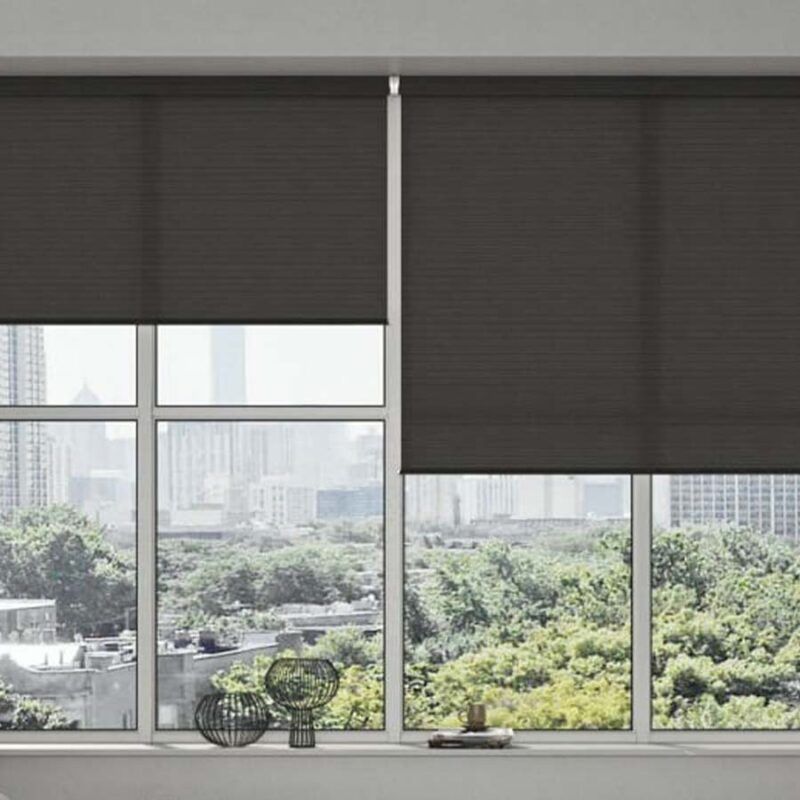
Book a free measuring visit
Tell us your area and roughly how many windows, and someone will come out with the fabric range and check what each one can take.
Where a motor earns its place
High and awkward glass first. Stairwell windows, double-height living rooms and anything sitting above fixed furniture are the jobs where a manual chain is either out of reach or means fetching a ladder.
Then rooms with a lot of glass in one plane. A wide balcony run or a row of office windows is tedious to set by hand, so in practice it doesn't get set — the blinds stay wherever they were left.
And there's the chain itself. A looped chain hanging beside a cot or a low sofa is the thing every piece of blind safety guidance keeps returning to. A motorized blind removes it rather than tensioning it to the wall.
What a motor doesn't change
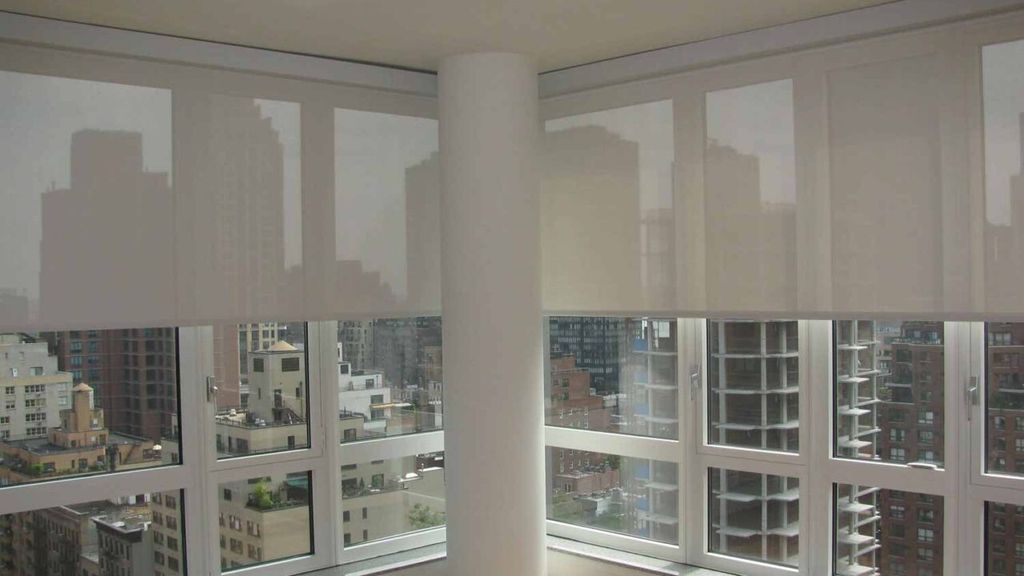
A motor changes how the blind moves, not what it does to the light. A sunscreen roller still shows a silhouette once the lights are on inside, and a blackout roller still lets light in down both sides unless side channels are fitted or a curtain overlaps the frame. Choose the fabric on how the room is used, then decide whether it should be motorized.
Battery motors need recharging. A few times a year on an ordinary window, more often on a wide heavy blind or one that runs to a timer twice a day. It's a small job, but it is a job, and it's worth knowing before choosing battery for every window in the house.
Motorized heads are also deeper than manual ones. In a shallow reveal that can be the difference between the blind fitting inside the opening and having to sit in front of it.

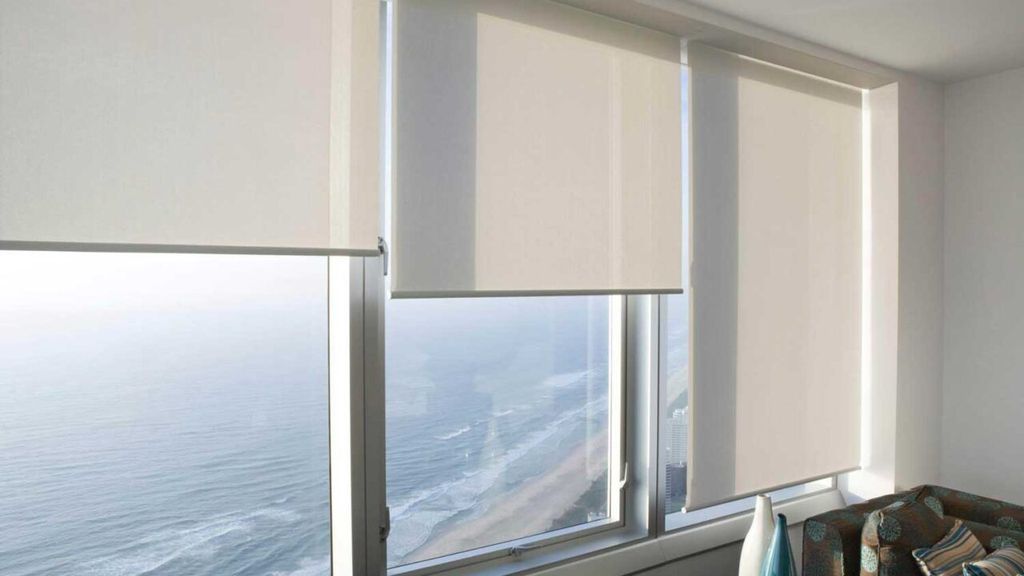
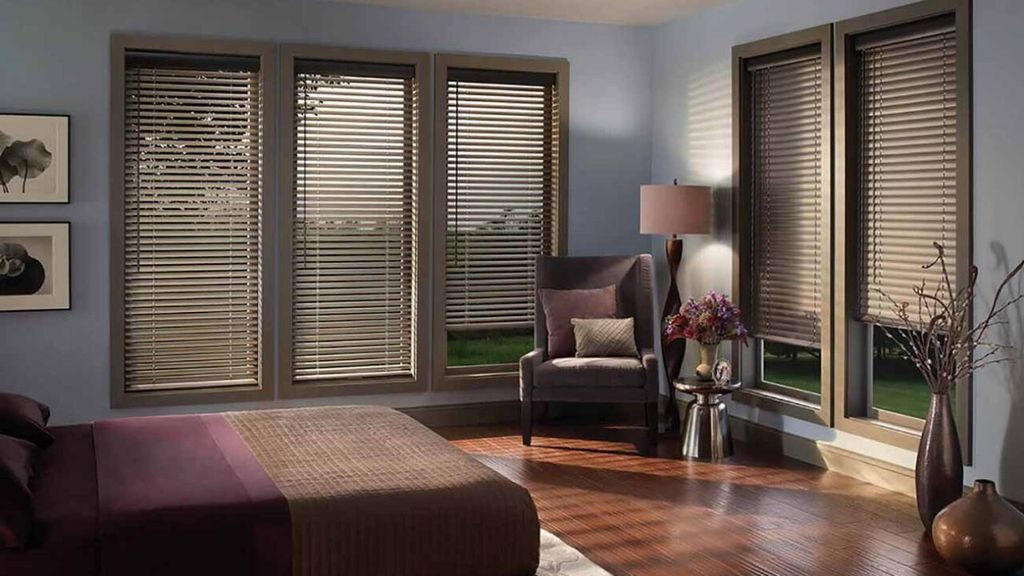
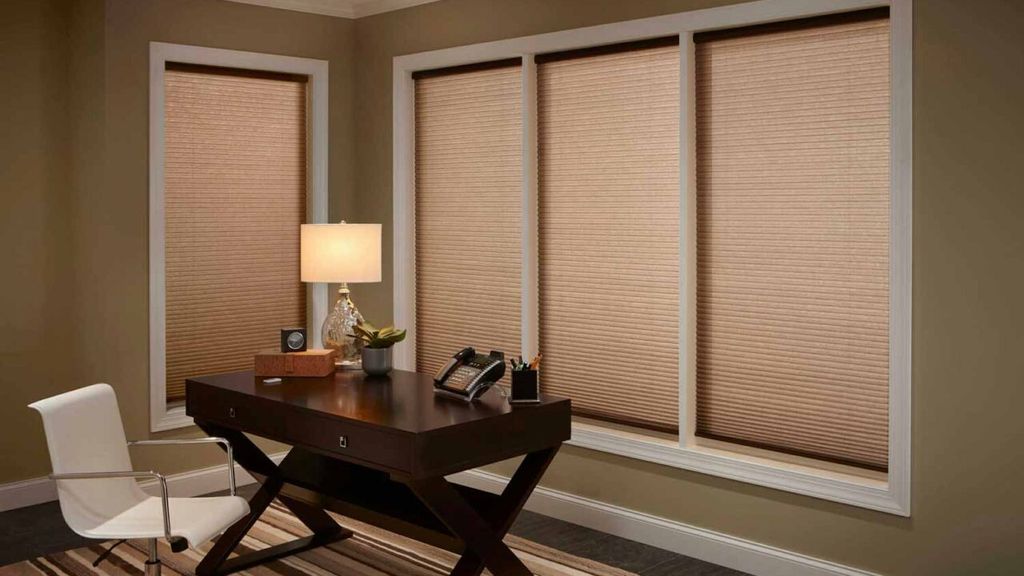
Motorized blinds in use


What to settle before ordering
Each of these changes what gets made, and all of them are easier to answer standing at the window:
- Battery or wired — and if wired, whether there's already a spur near the window or one can be run to it.
- What's above the glass: a gypsum bulkhead, a concrete soffit, or a curtain pocket the headrail can sit up inside.
- Whether the blind sits inside the reveal or in front of it, which decides how much light gets past the edges.
- Sunscreen, dimout or blackout fabric, decided by what the room is used for.
- Which blinds should move together, and whether that's a handset, a wall switch, or both.
- Whether it will ever be run from a phone, since that changes what's fitted at the start rather than later.
None of it is complicated. All of it is easier to settle before the blind is made than after it's on the wall.
Get a quote for your windows
Call or WhatsApp us and we'll arrange a time to come out, measure up, and price the job before anything is made.