Sunscreen and blackout roller blinds for a Jebel Ali Village villa
Nine roller blinds for the ground floor of a villa in Jebel Ali Village, Dubai, made to measure and fitted on 26 September 2026.
Six are sunscreen, a mesh that takes the glare off the glass and keeps the garden in view. The other three are blackout, on the doors of the one room that had to go dark.
AED 6,734 for nine blinds
Measured and fitted, VAT included.
Curtains Express measured the doors and windows, made the blinds to those sizes and fitted them about a week after the visit.
The job at a glance
- Community
- Jebel Ali Village, Dubai
- Property
- Villa, ground floor
- Blinds
- Nine roller blinds
- Fabrics
- Sunscreen on six, blackout on three
- Fitting
- Face fit above each frame, with a cassette
- Control
- Side chain
- Visit to fitting
- About a week
- Fitted
- 26 September 2026
- Cost
- AED 6,734, VAT included
What the house needed from its blinds
The ground floor opens onto the garden through wide glass doors, and the brief came down to three things:
- Less glare and heat through that glass, without losing the view of the garden.
- Privacy from outside.
- One room that goes dark.
No single fabric does all three. A sunscreen keeps the view and cuts the glare, but it is a mesh, so it can be seen through. A blackout cloth gives privacy and darkness, and takes the view with it. So the house has two, chosen room by room.
Sunscreen or blackout, door by door
| Sunscreen | Blackout | |
|---|---|---|
| Blinds | Six | Three |
| Where | Living room, side door, dining door, kitchen | One room's three doors onto the terrace |
| The view out | Kept, softened by the weave | None while it is down |
| Daylight through the cloth | Softened | None |
| Privacy by day | Yes, while it is brighter outside than in | Yes |
| Privacy after dark, lights on | No: the room shows through | Yes |
A sunscreen is graded by its openness, the share of the weave left open: a lower figure stops more glare and shows less of the view.
Three blinds on the garden doors, not one
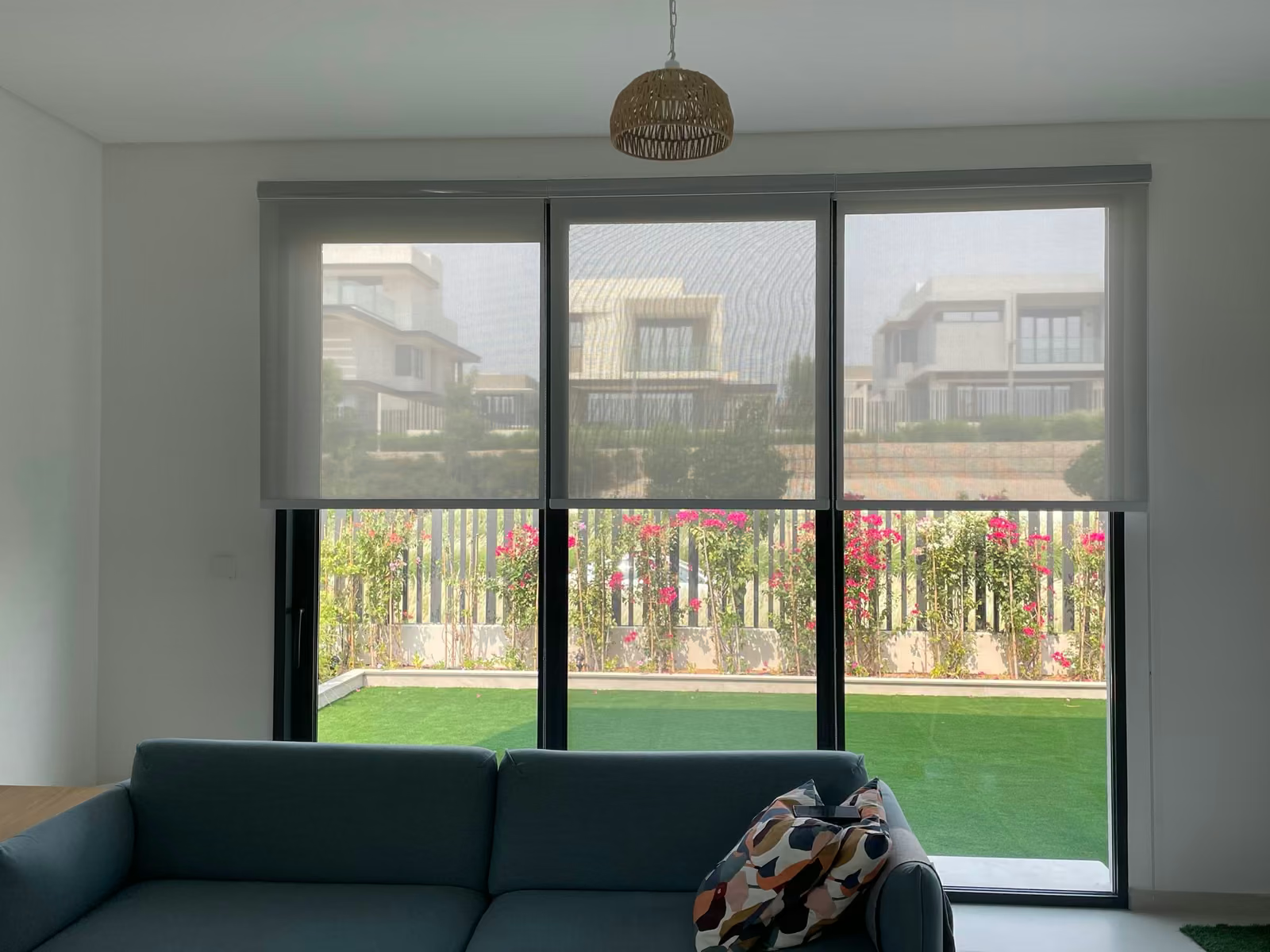
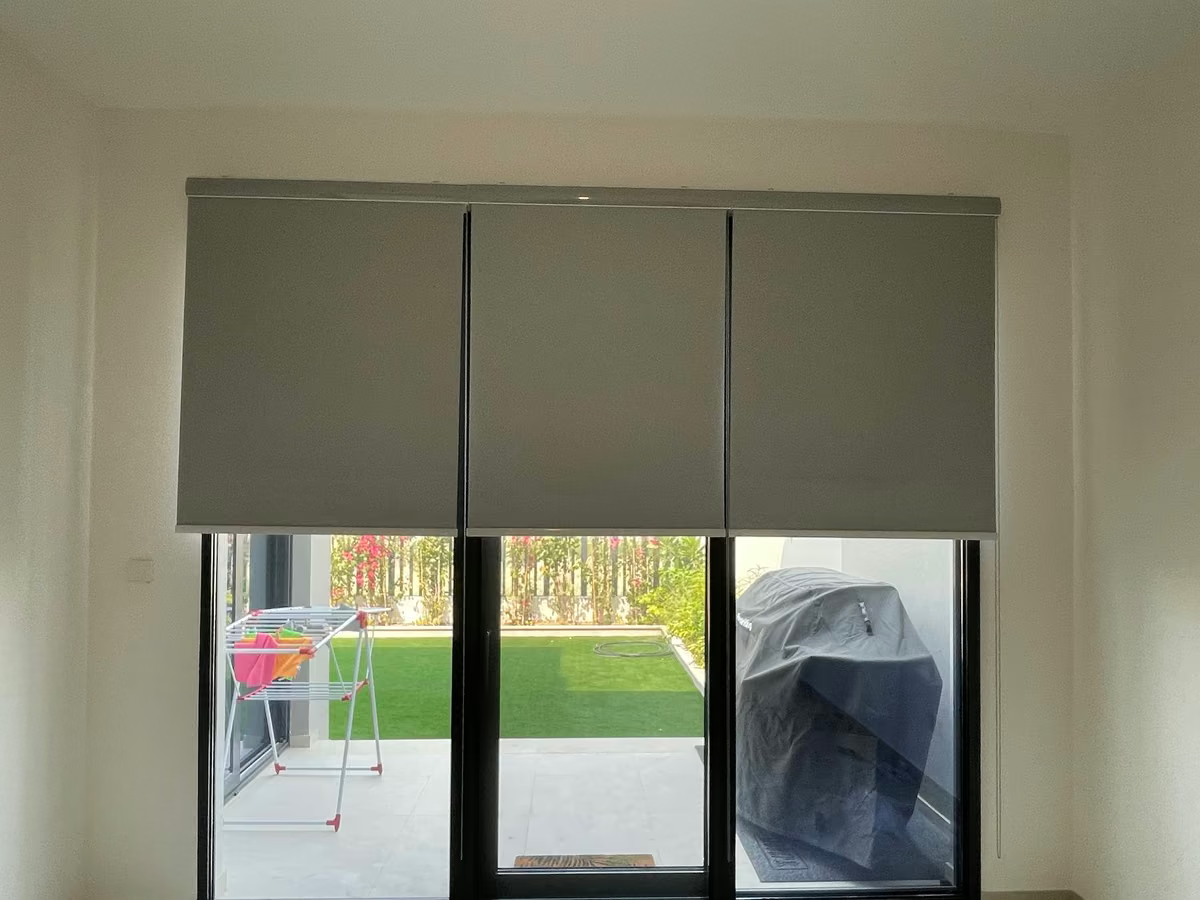
The living room opens onto the garden through three glass panels in one frame, the photograph at the top of this page. Rather than one wide blind across all of it, each panel has its own, and the joins fall on the black frames between the panes, where a gap shows least.
Split that way, the blind over the panel that slides can go up on its own while the other two stay down, so stepping outside doesn't mean raising the whole wall. A narrower blind also rolls truer: past a certain width a single tube begins to dip in the middle under the weight of its cloth.
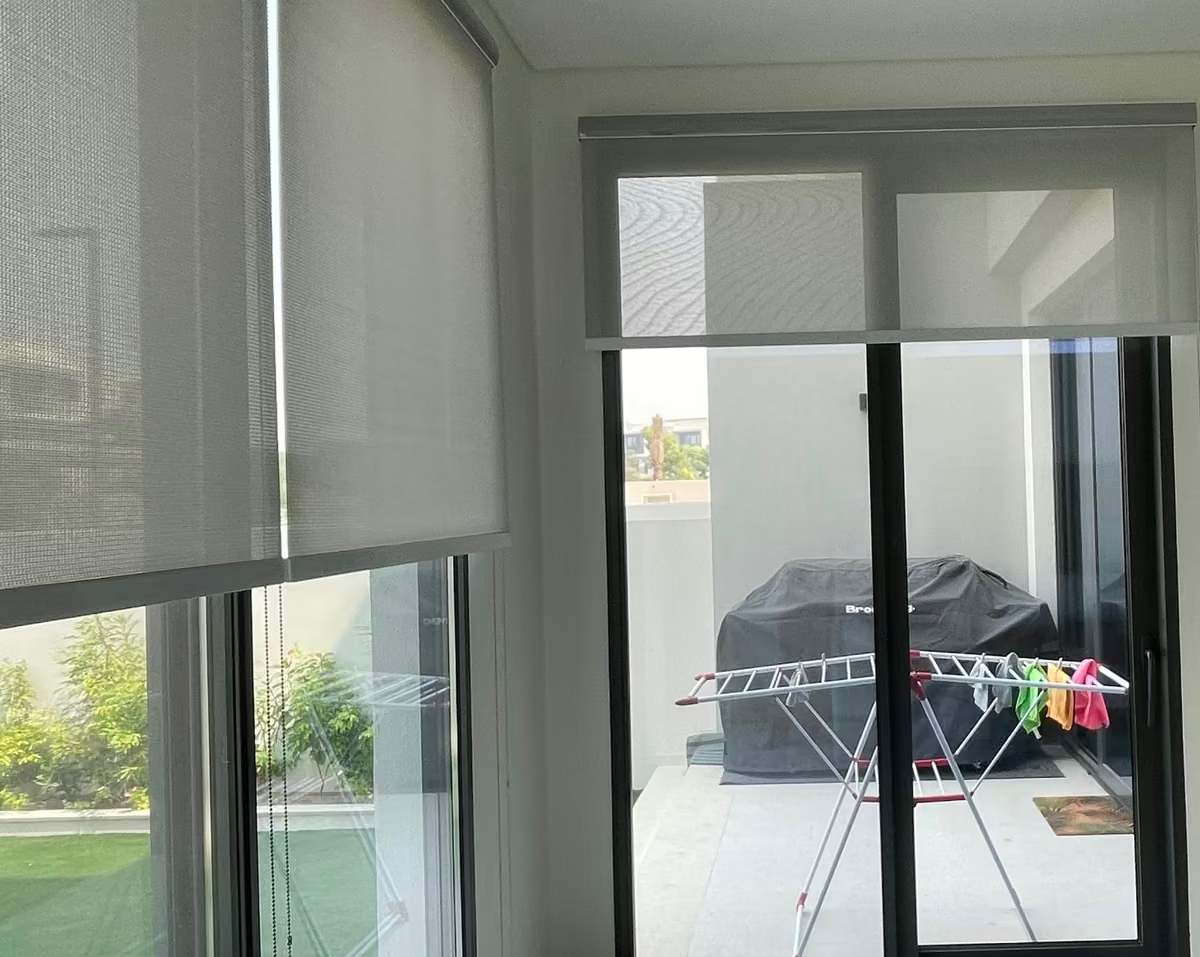
The side door onto the covered terrace, shown here, is narrower, so one blind covers both of its panes.
Fitted above the frame, not inside it
Every blind in the house hangs from the wall above its opening rather than inside the frame, which is called a face fit. Each one is cut wider than its glass, so the cloth overlaps the frame at both sides instead of stopping short of it and leaving a line of light down each edge.
Across the top of each blind is a cassette: an aluminium headbox that hides the rolled cloth, keeps the dust off it and covers the gap over the roll.
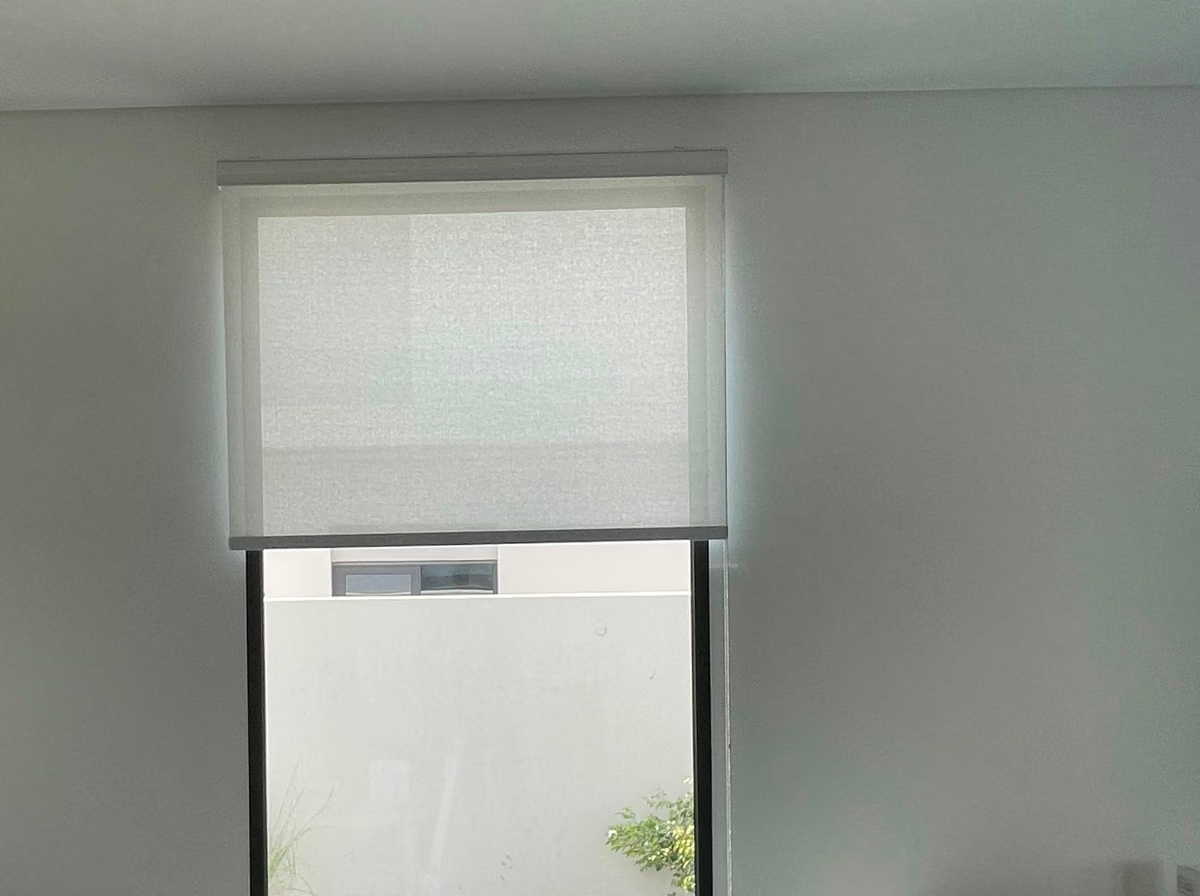
The dining area's single tall door shows the fit plainly. Lowered halfway, as here, the blind screens the upper glass and leaves the lower half clear, so the garden stays in view from the table.
A roller over the kitchen sink
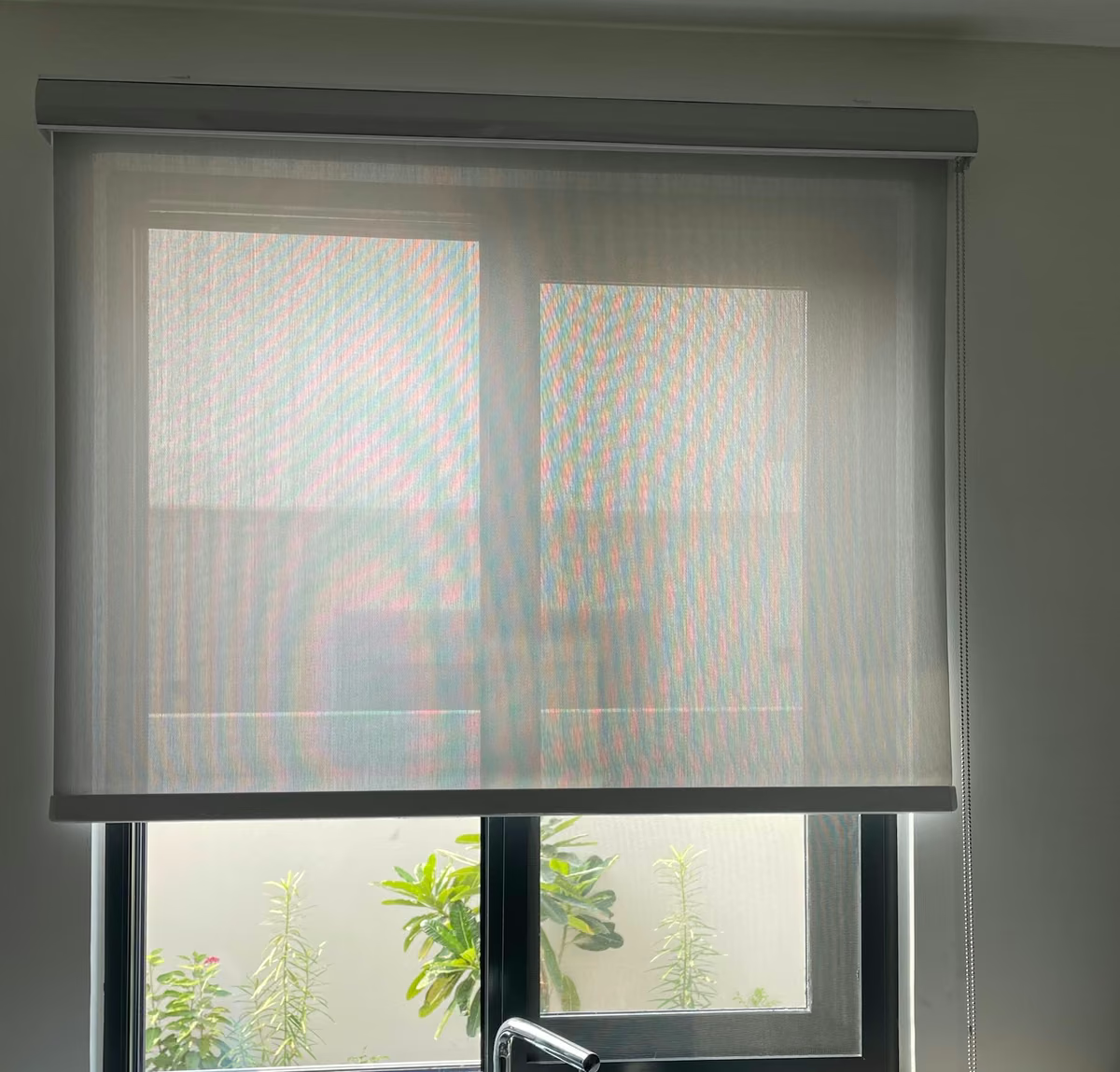
The kitchen window sits behind the sink, so the blind is worked by a side chain at the right-hand end, clear of the tap.
A roller suits a kitchen. Its cloth hangs flat, so a damp cloth wipes cooking film off the face, where a gathered curtain would hold it. This one is sunscreen too: lowered, it takes the glare off the worktop and still lets you see out.
The coloured bands in this photograph are the phone's camera meeting the fine weave of the mesh. The cloth itself is plain grey.
The room that had to go dark
One room opens onto the covered terrace through three glass doors, and here the cloth changes to blackout, again one blind to each panel. Lowered, it covers the glass instead of screening it: no view out, none in, and no daylight through the cloth.
Blackout cloth stops the light that comes through it, not the light that comes round it. Fitted over the frame, with the cassette across the top, these blinds cover most of that, and what can still show is a faint line at the edges.
A room that has to be completely dark, for cabin crew or anyone on nights sleeping through a Dubai afternoon, also needs side channels: aluminium tracks down each side that the edges of the cloth run in. There is more on them on our roller blinds page, and on blackout blinds.
What the job cost
The nine blinds came to AED 6,734, measured and fitted, with VAT included.
That is this house's figure, not a rate. Eight of the nine blinds are on doors, so most of the glass is door height, and every blind has a cassette. A motor would have added to it, and so would side channels.
Your windows are priced the same way, from their sizes. Send the rough sizes on WhatsApp for a first figure; the measuring visit that settles it is free.
Book a free measuring visit
Send the rough sizes of your doors and windows, and say which rooms need to go dark. Someone brings the fabric book to you, anywhere in Dubai, so you can hold a sunscreen against your own glass before choosing.